What to Specify When Ordering F14 Grade Plywood
Text: “Ordering structural plywood sounds simple until someone asks, “Yep, but what exactly do you want?” That is where projects can wobble. A clean purchase order avoids delays, wrong sheets on site, and the classic issue of plywood that is close, but not actually compliant.
This guide breaks down what to specify when ordering F14 grade plywood in Australia, so the supplier, builder, and engineer are all talking about the same thing.
What does “F14” actually mean for a plywood order?
It means the plywood has a stress grade of F14, typically used for structural applications where known strength and stiffness are required. They should treat it as an engineering grade, not a decorative label.
When ordering F14 grade plywood, they should assume the sheet is being selected to meet structural design needs and compliance expectations under Australian practice.
Is the plywood intended to be structural, bracing, or general use?
They should state the end use in plain terms, because it influences the correct product selection. “Structural flooring,” “wall bracing,” or “roof diaphragm” tells a supplier more than just a thickness.
If they only write F14 grade plywood with no application, they may receive a product that is technically F14 but not optimised for the job, or missing required markings for approval.
Which Australian Standard and compliance markings should be requested?
They should specify that the sheets must be manufactured and marked for Australian compliance, commonly referencing AS/NZS 2269 for structural plywood. On delivery, they should expect legible branding, grade stamps, and identification marks.
For F14 grade plywood, they should ask the supplier to confirm the sheets are structural-rated and appropriately stamped so a certifier or engineer can verify it on site. “
What thickness should be nominated, and how precise should it be?
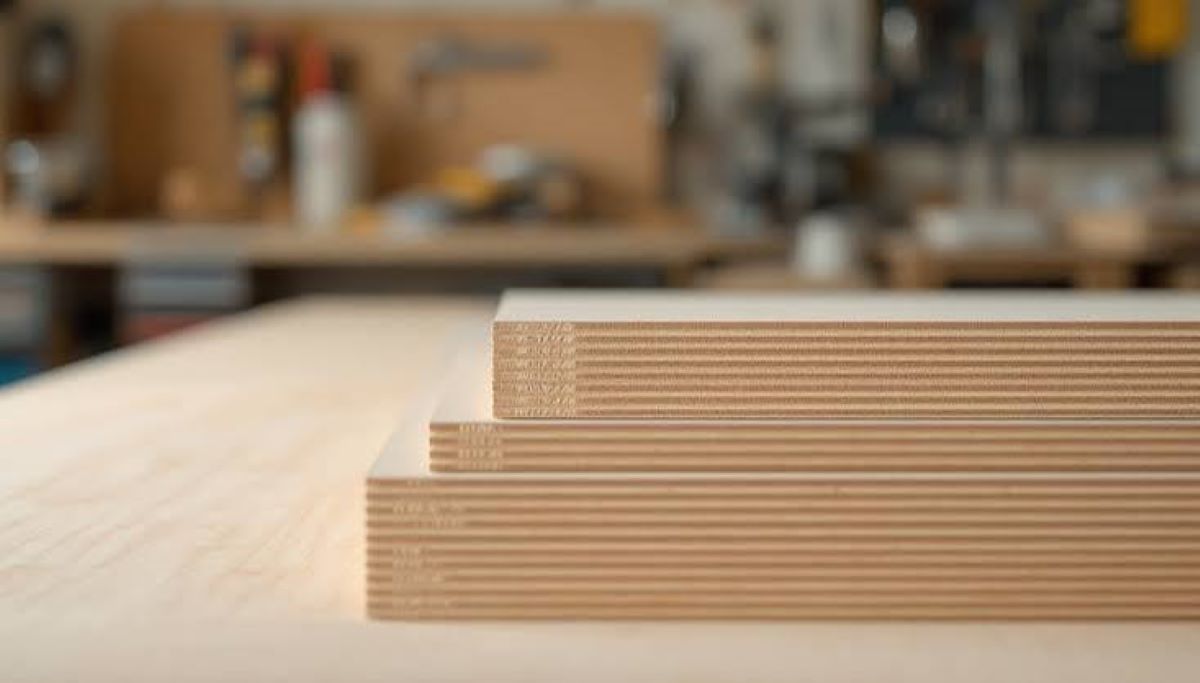
They should nominate the exact thickness in millimetres, not “standard sheet” or “flooring ply.” Common structural thicknesses in Australia include 12 mm, 15 mm, 17 mm, 18 mm, and 21 mm, but the project documentation should drive it.
When they order F14 grade plywood, they should match thickness to engineering drawings and span tables, because “one size up” can change levels, fixings, and load behaviour.
What sheet size and quantity details avoid confusion?
They should state sheet dimensions (for example, 2400 x 1200) and the exact quantity of sheets, not just square metres. If cutting optimisation matters, they should also mention whether half-sheets or custom sizing is acceptable.
With F14 grade plywood, clear sizes matter because suppliers may stock multiple formats, and substitutions can create waste, extra joins, or bracing patterns that no longer line up.
Should they specify face grade, appearance level, or sanding?
Yes, if the face will be visible or needs paint. Structural plywood can arrive with a range of face qualities, and “structural” does not automatically mean “pretty.”
If F14 grade plywood is going under floor coverings or behind linings, appearance may not matter. If it is exposed in a garage, shed, or commercial fitout, they should request a suitable face grade and whether sanded faces are required.
Does the bond type and durability rating need to be included?
They should nominate the bond classification and intended exposure conditions, because moisture risk drives the correct adhesive and durability choice. In Australia, external or wet-area exposure typically needs a higher durability specification than internal dry use.
When ordering F14 grade plywood, they should say if it is for internal dry, external above-ground, or wet-area use, rather than assuming the supplier will guess correctly.
Is the product hardwood, softwood, or species-specific, and does it matter?
It can matter for weight, fastening behaviour, and sometimes availability. Some projects also specify plantation sources or particular performance expectations that vary by construction type.
If their engineer or drawings call up a certain type, they should include it. If not, they can still ask what the supplier is proposing for F14 grade plywood so they can confirm it aligns with project assumptions.
See Also : What to Specify When Ordering Formwork Plywood
What edge profile and tongue-and-groove details should be stated?
If the sheets are for flooring, they should state whether they require square edge or tongue-and-groove (T&G). T&G affects installation speed, squeaks, and joint support requirements.
For F14 grade plywood flooring orders, they should also confirm which edges are machined, and whether the sheet layout assumes long-edge T&G, four-side T&G, or square edges with blocking.
Should they specify treatment, termite risk, or bushfire considerations?
If the build is in a termite-prone region, they should follow the project’s termite management plan rather than rely on guesswork. Plywood treatment is not a universal default, and some sites rely on physical barriers instead.
For F14 grade plywood, they should also consider local council or insurer expectations in bushfire-prone areas, and confirm the broader system requirements with the designer, because plywood is only one part of compliance. Check out more about Bushfire.
What moisture condition and storage expectations should be included?
They should ask for delivery wrapped and protected, and they should plan for flat storage off the ground on site. Plywood can move with moisture changes, and even a good product can arrive and then be damaged by poor handling.
If F14 grade plywood is going straight into flooring or bracing, they should also coordinate delivery timing so the sheets are not sitting in weather for days, swelling at edges or delaminating from site exposure.
What fixing and installation constraints should they confirm before ordering?
They should cross-check nail or screw type, spacing, and any adhesive requirements against the engineer’s details and relevant Australian guidance. Some bracing and diaphragm designs rely on very specific fastener patterns.
Ordering F14 grade plywood without confirming installation details can lead to a scenario where the right material arrives, but it cannot be installed as designed because the crew lacks the specified fasteners or the correct sheet orientation plan.
What documentation should they request from the supplier?
They should request a spec sheet, compliance confirmation, and any chain of custody or sustainability documentation if the project requires it. For commercial jobs, this can save time during inspections and handover.
For F14 grade plywood, they should also ask the supplier to confirm batch consistency and availability, especially if staged deliveries are planned and they want the same product profile throughout.
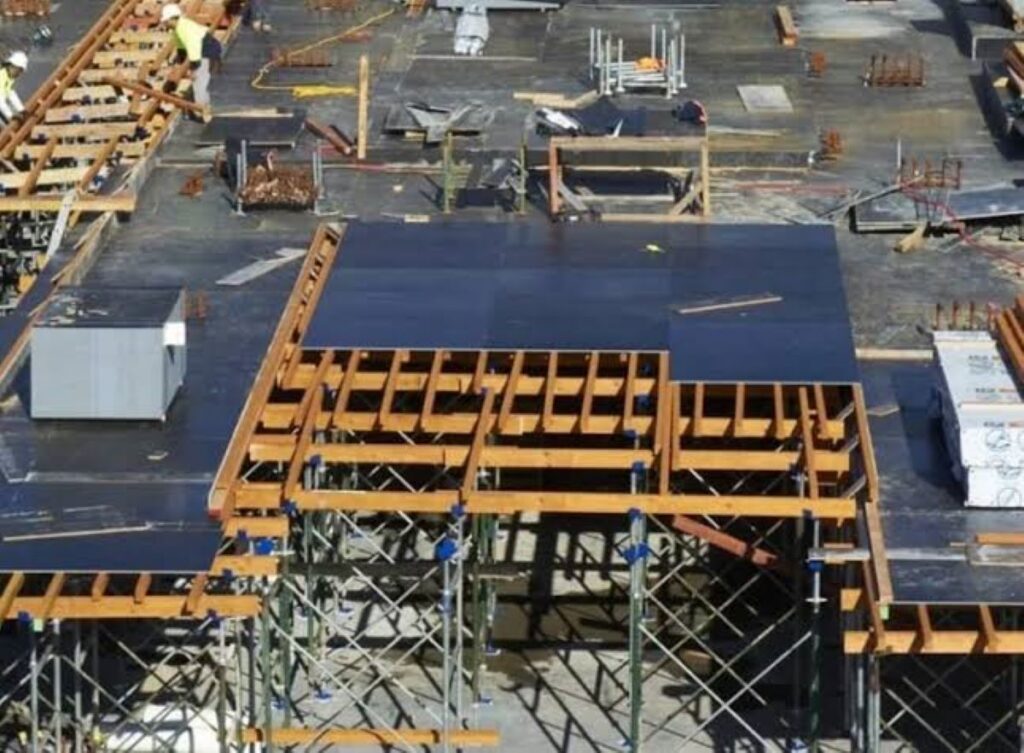
What delivery details prevent the most common site headaches?
They should specify delivery address, unloading requirements, preferred time windows, and whether a forklift or crane is available. If access is tight, they should warn the supplier so the lorry size can be matched to the street and site entry.
When F14 grade plywood is delivered incorrectly, it is usually not the sheet that causes the problem; it is the logistics. A few lines in the order can prevent re-delivery costs and programme blowouts.
What should a simple purchase order line look like?
They should write it so there is no room for interpretation. A practical line includes: product, stress grade, standard, thickness, sheet size, edge profile, bond/exposure, quantity, and delivery instructions.
Example wording could be: “Structural plywood, F14 grade plywood, AS/NZS 2269, 17 mm, 2400 x 1200, T&G long edges, suitable for internal flooring, qty 60 sheets, deliver wrapped to site in Parramatta NSW.”
How can they double-check they are ordering the right plywood for Australia?
They should compare the order against the engineer’s drawings, the building approval documents, and what the installer expects on site. If anything is vague, they should ask the supplier to confirm in writing before payment.
If they do that, F14 grade plywood becomes a straightforward procurement item, not a surprise. And the build keeps moving, which is the whole point.
FAQs (Frequently Asked Questions)
What does ‘F14 grade plywood’ mean in structural applications?
F14 grade plywood refers to a stress grade indicating the plywood is engineered for structural use, offering known strength and stiffness. It should be treated as an engineering-grade material intended to meet specific design needs and compliance under Australian standards.
Why is it important to specify the intended use when ordering F14 grade plywood?
Specifying whether the plywood is for structural flooring, wall bracing, or roof diaphragm helps suppliers provide a product optimised for the job. Without clear application details, you might receive technically compliant F14 plywood that lacks necessary features or markings for your specific use.
Which Australian standards and compliance markings should be requested for F14 grade plywood?
You should request plywood manufactured and marked according to AS/NZS 2269 for structural plywood. Expect legible branding, grade stamps, and identification marks on delivery so certifiers or engineers can verify compliance onsite.
How precise should thickness and sheet size specifications be when ordering F14 grade plywood?
Thickness should be nominated exactly in millimetres (e.g., 12 mm, 15 mm, 18 mm), matching engineering drawings and span tables to ensure proper load behaviour. Sheet dimensions (like 2400 x 1200 mm) and exact quantities must also be specified to avoid substitutions that create waste or misalignments.
Should face grade, bond type, and durability ratings be included in the order?
Yes. If the plywood face will be visible or painted, specify the desired face grade and sanding requirements. Additionally, indicate bond classification and exposure conditions (internal dry, external above-ground, wet-area) since moisture risk affects adhesive choice and durability standards.
What installation and storage considerations are important when ordering F14 grade plywood?
Confirm fixing types, spacing, and adhesive needs per engineer’s guidance before ordering. Also plan for wrapped delivery with flat storage off the ground to prevent moisture damage. Coordinate timing so sheets aren’t exposed to weather on-site, avoiding swelling or delamination.