
Scaffolding Mesh: 5 Benefits for Site Safety and Debris Control
Below are five practical benefits, focused on safety and debris control, that contractors and site managers typically care about most.
Why does scaffolding mesh reduce falling debris and dropped-object risk?
A safety strip acts as a secondary barrier that catches or slows down loose materials before they leave the scaffold. This directly reduces the chance of debris striking workers below or landing in public areas.
A safety strip is especially useful during tasks like grinding, cutting, raking out, rendering, and façade removal, where small fragments can travel significant distances. It also helps contain packaging, offcuts, and light waste that might otherwise blow off working platforms.

How does scaffolding mesh improve site safety for pedestrians and neighbouring properties?
It creates a visible perimeter that discourages people from walking too close to risk zones. In busy streets or shared access areas, that extra separation can be critical.
The mesh also reduces the chance of debris reaching adjacent buildings, parked vehicles, and walkways. For sites operating near shops, schools, or residential areas, this can help lower complaints and reduce the likelihood of damage claims linked to dust or minor impacts.
How can scaffolding mesh help with dust, overspray, and general containment?
It helps trap airborne dust and reduce how far it drifts, particularly during sanding, cutting, and surface prep. While it is not a sealed system, it still adds meaningful containment compared to open scaffolding.
For painting, blasting, or coating work, mesh can reduce overspray spread and help keep surrounding surfaces cleaner. That can cut down on rework and cleaning time, especially when the scaffold sits close to finished areas.
Why does scaffolding mesh support better wind and weather control?
It can reduce wind exposure on the working platforms, making conditions more stable for operatives and materials. That often helps teams maintain productivity when gusts would otherwise disrupt handling of boards, insulation, and lightweight components.
At the same time, mesh can provide limited shielding from light rain and glare, depending on its density and placement. They still need to follow engineering guidance, because wind loading can increase with certain mesh types and installations.
How does scaffolding mesh contribute to compliance, professionalism, and smoother site operations?
It helps sites demonstrate that they are taking reasonable steps to manage falling-object hazards and protect the public. That can make inspections smoother and reduce the back-and-forth that happens when boundaries and containment look inadequate.
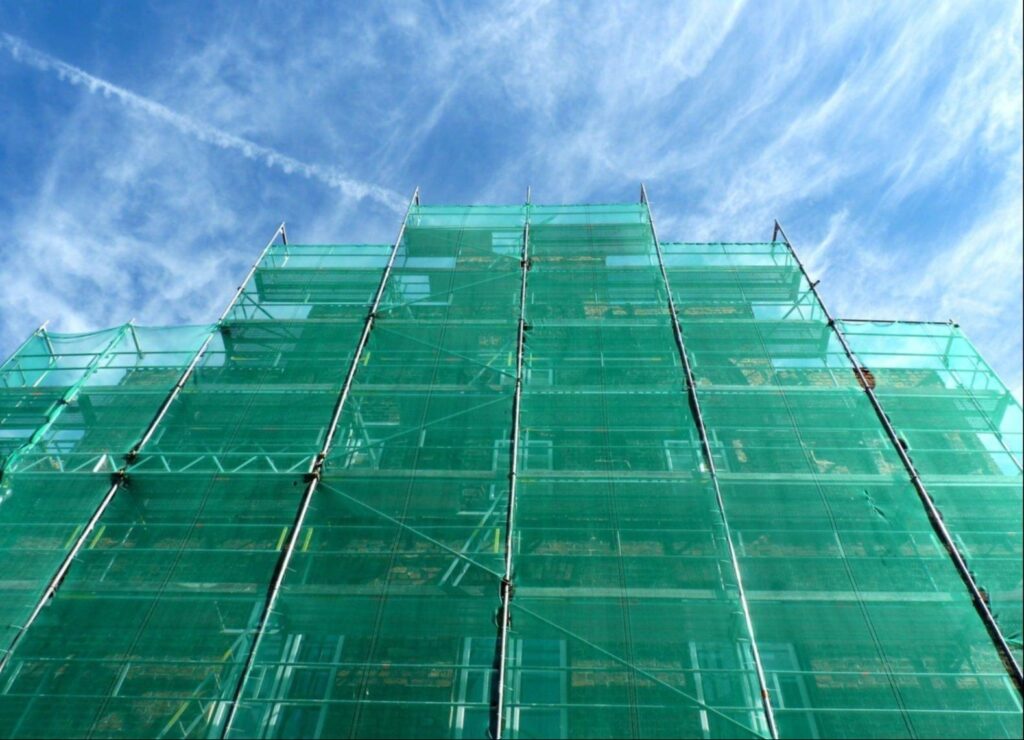
It also improves how the project appears from the outside. A scaffold wrapped neatly with consistent mesh looks controlled and organised, which can matter for client confidence, stakeholder relations, and keeping the site team aligned on safety expectations.
What should they check before choosing and installing scaffolding mesh?
They should confirm the mesh type, fire performance, and fixing method match the job’s risk profile and local requirements. The key is to avoid treating mesh as a generic accessory, because density, strength, and wind impact vary widely.
They should also check for tears, loose edges, and poor overlaps throughout the job, not just at install. Mesh only works as a barrier when it stays tensioned, continuous, and properly fixed, especially around corners, loading bays, and high-traffic scaffold lifts.
FAQs (Frequently Asked Questions)
How does scaffolding mesh reduce the risk of falling debris and dropped objects on construction sites?
Scaffolding mesh acts as a secondary barrier that catches or slows down loose materials before they leave the scaffold. This directly reduces the chance of debris striking workers below or landing in public areas, especially during tasks like grinding, cutting, and facade removal where small fragments can travel far.
In what ways does scaffolding mesh improve site safety for pedestrians and neighboring properties?
Scaffolding mesh creates a visible perimeter that discourages people from walking too close to risk zones, which is critical in busy streets or shared access areas. It also reduces the chance of debris reaching adjacent buildings, parked vehicles, and walkways, helping lower complaints and minimize damage claims linked to dust or minor impacts.
Can scaffolding mesh help control dust, overspray, and general containment on construction sites?
Yes, scaffolding mesh helps trap airborne dust and reduces how far it drifts during sanding, cutting, and surface preparation. While not a sealed system, it adds meaningful containment compared to open scaffolding. Additionally, it can reduce overspray spread during painting or coating work, keeping surrounding surfaces cleaner and cutting down on rework and cleaning time.
How does scaffolding mesh support better wind and weather control for workers on scaffolds?
Scaffolding mesh reduces wind exposure on working platforms, making conditions more stable for operatives and materials. This helps maintain productivity when gusts might otherwise disrupt handling of boards and lightweight components. Depending on its density and placement, mesh can also provide limited shielding from light rain and glare while following engineering guidance to manage wind loading.
What role does scaffolding mesh play in compliance, professionalism, and smoother site operations?
Scaffolding mesh demonstrates that sites are taking reasonable steps to manage falling-object hazards and protect the public, facilitating smoother inspections by reducing issues with boundaries and containment. It also enhances the project’s appearance by presenting a controlled and organized scaffold wrap, boosting client confidence, stakeholder relations, and aligning the site team on safety expectations.
What factors should be checked before choosing and installing scaffolding mesh on a construction site?
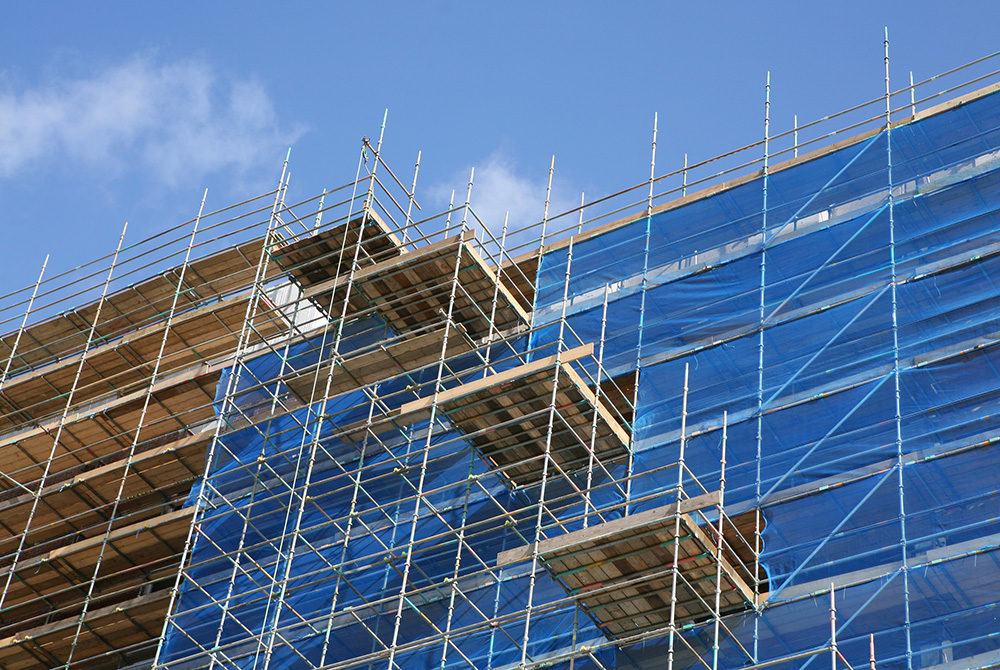
Before selecting scaffolding mesh, it’s important to confirm that the mesh type, fire performance, and fixing method match the job’s risk profile and local requirements. Mesh should not be treated as a generic accessory because density, strength, and wind impact vary widely. Additionally, regular checks for tears, loose edges, poor overlaps, and ensuring tensioned continuous fixing—especially around corners and high-traffic areas—are essential for effective barrier performance.
Related : Mesh Fencing for Construction Sites: Compliance Guide