Pool Resurfacing Quote

Top 10 Things Construction Site Managers and Builders Should Know About Pool Resurfacing Quote

This guide covers the ten most practical checks they can apply before they sign off, schedule trades, or brief clients on outcomes.

What exactly does a pool resurfacing quote include (and exclude)?

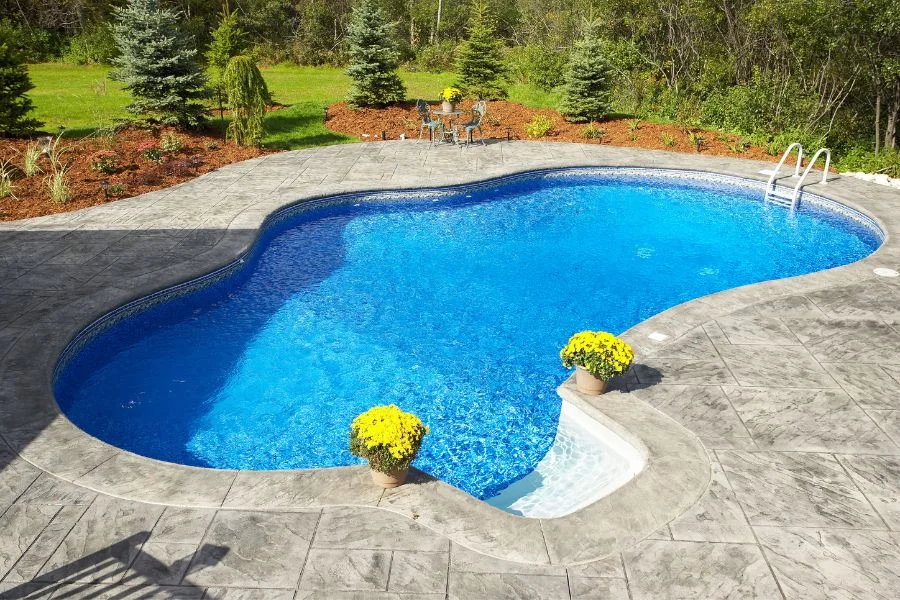
A pool resurfacing quote should clearly state the surface system, preparation method, and the exact extent of works. If it is vague, it is not comparable across bidders.

They should confirm inclusions such as surface removal, crack treatment, bond coats, materials, labour, curing, cleanup, and start to finish duration. Exclusions matter just as much, especially water cartage, power, access, paving removal, and post fill chemical balancing.

How should they read the pool’s surface condition before requesting pricing?

They should treat the pool like a small structure, not just a cosmetic finish. A pool resurfacing quote is only as accurate as the condition information behind it.

Key observations include hollow sounding areas, delamination, visible crazing, rust staining, movement cracks, and loose coping. If they can, they should document with photos, measurements, and a brief history of leaks or prior repairs so pricing is based on facts, not guesswork.

Which resurfacing system should they specify for Australian conditions?

They should specify the system that matches the pool type, exposure, and client expectations, then ensure the pool resurfacing quote names that system. In Australia, the common options are marblesheen or quartz aggregate, tile and waterproofing renewals, and painted systems for budget jobs.

Salt pools, high UV exposure, and coastal air can punish lower grade coatings. If the client wants longevity, the finish selection should be made first, then the quote should follow.

What site access details can change the quote fastest?

Access constraints can move a pool resurfacing quote more than many builders expect. The job may need demolition skips, wheelbarrows, pumps, hoses, and sometimes small plant, and all of that needs a path.

They should confirm gate width, steps, slope, fragile landscaping, driveway loading limits, and whether materials must be carried through the home. If there is limited access in inner Sydney, Melbourne, or Brisbane suburbs, they should expect labour allowances and protection measures to increase.

How do demolition and preparation methods affect price and risk?

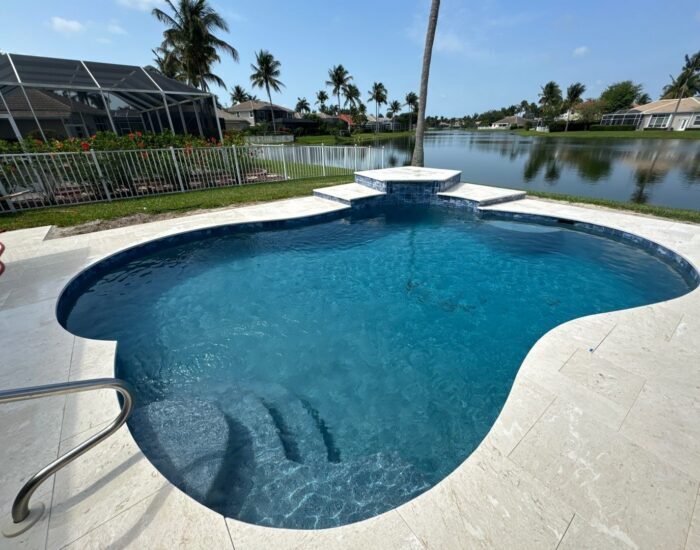
Preparation is where quality is won or lost, so they should check how the pool resurfacing quote describes removal and profiling. Light acid wash pricing is not comparable with full mechanical removal of a failing surface.

They should look for specific steps such as chipping out drummy areas, grinding, pressure washing, and bond coat application. If the quote is silent on prep, it can become a variation later, or worse, a premature failure with a dispute about responsibility.
Pool Resurfacing Quote

When do structural cracks, movement, and leaks become a different scope?

Resurfacing is not a structural fix, and a pool resurfacing quote should not pretend it is. If there are movement cracks, ongoing leaks, or signs of shell movement, they should involve a pool engineer or experienced specialist, including trusted swimming pool builders Newcastle, before they lock in a finish date.

They should also confirm whether crack repairs are cosmetic, epoxy injection, flexible jointing, or full remediation. If the pool is losing water, resurfacing can hide symptoms and delay proper rectification, increasing risk at handover.

What sequencing and curing time should they build into the programme?

They should schedule resurfacing like a critical path activity, because curing and refilling are time bound. A realistic pool resurfacing quote should state the number of days for prep, application, cure, fill, and initial balancing.

Weather also matters, especially in Victoria, Tasmania, and the ACT where cold snaps affect cure, and in Queensland where storms disrupt access and drying. They should require a clear timeline and identify who supplies water, who pays for it, and when other trades can return.

Who is responsible for water quality, chemical balancing, and client instructions?

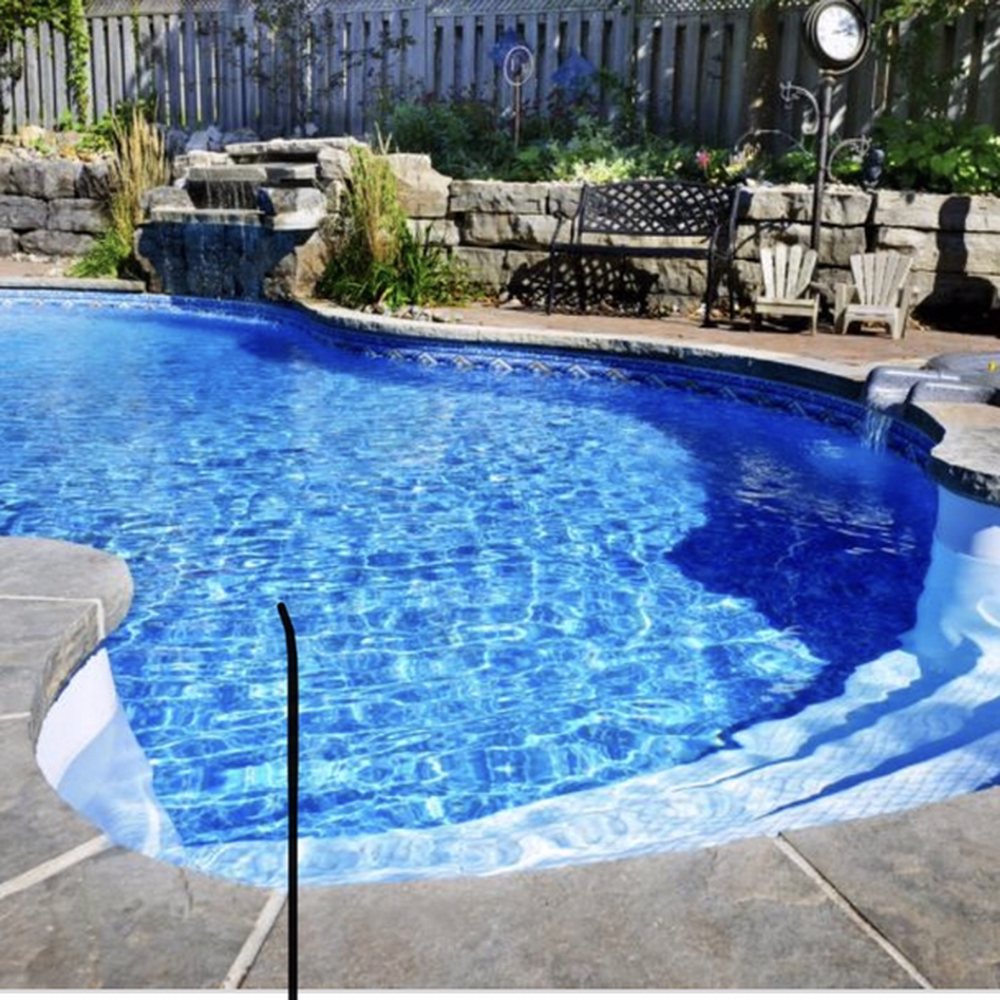
Water chemistry can make a fresh finish look patchy fast, so they should clarify post works responsibilities in the pool resurfacing quote. Many resurfacing teams will fill and leave, while the client expects a swim ready pool.

They should confirm who does initial brush down, startup procedure, and chemical balancing in the first week. They should also ensure the client receives written care instructions, especially for new aggregate interiors where brushing schedules and acid demand are higher early on.
Pool Resurfacing Quote

What warranties, workmanship standards, and documentation should they demand?

They should treat resurfacing like any other finishing trade and demand documentation. A strong pool resurfacing quote should include warranty length, what voids it, and how defects are assessed.

They should request product data sheets, batch records where available, and a clear defects liability process. If the project is part of a new build or major renovation, they should also align the resurfacing warranty with the broader building contract expectations to avoid grey areas.

How can they compare multiple quotes without getting caught by allowances and exclusions?

They should compare quotes line by line, not total price alone, and require each bidder to price the same scope. A comparable pool resurfacing quote set should use the same finish, same prep standard, and the same responsibilities for water, access, and cleanup.

They should watch for provisional sums on crack repairs, disposal, and surface removal depth. If they need certainty, they should request a site inspection and a fixed scope with capped variations, then document any assumptions in writing before award.

What should they do next before approving the work?

They should convert the quote into a short scope checklist and confirm sequencing with the rest of the site plan. If a pool resurfacing quote is missing details, they should ask for an updated version rather than rely on emails and verbal notes.

A simple prestart pack helps: photos, access plan, finish selection, timeline, water and power responsibilities, and client care instructions. When those are clear, they reduce variations, protect programme, and improve the final presentation at handover.

<script type="application/ld+json">
{
  "@context": "https://schema.org",
  "@type": "BlogPosting",
  "mainEntityOfPage": {
    "@type": "WebPage",
    "@id": "https://airdriepaintanddecor.com/top-10-things-construction-site-managers-and-builders-should-know-about-pool-resurfacing-quote/"
  },
  "headline": "Top 10 Things Construction Site Managers and Builders Should Know About Pool Resurfacing Quote",
  "image": [
    "https://airdriepaintanddecor.com/wp-content/uploads/2026/08/1000s-3.jpg",
    "https://airdriepaintanddecor.com/wp-content/uploads/2026/08/Why-Early-Leak-Detection-Saves-Money-1.webp",
    "https://airdriepaintanddecor.com/wp-content/uploads/2026/08/image-2-700x550-700x550-1.jpeg"
  ],  
  "author": {
    "@type": "",
    "name": "Mitchell Sternberg",
    "url": "https://airdriepaintanddecor.com/author/admin/"
  },  
  "publisher": {
    "@type": "Organization",
    "name": "Airdrie Tile Paint and Decor",
    "logo": {
      "@type": "ImageObject",
      "url": "https://airdriepaintanddecor.com/wp-content/uploads/2021/12/445.png"
    }
  },
  "datePublished": ""
}
</script>
Reobar Ideas

7 Reobar Ideas Worth Considering for Construction Site Managers and Builders

What should they standardise first when specifying reobar?

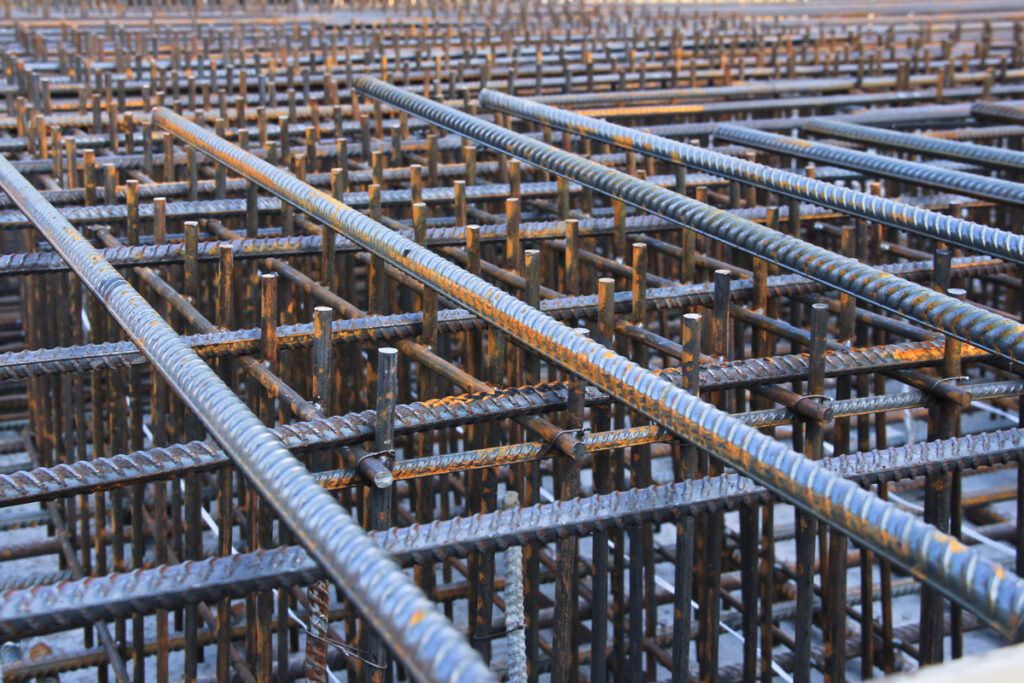
They should standardise bar sizes, grades, bends, and lap rules across typical details so procurement and fixing stay predictable. Standardisation reduces RFIs, minimises offcuts, and makes substitutions less risky when supply changes.

On Australian sites, they can align bar grades and mesh specifications with their engineer’s design and relevant Australian Standards. A simple internal schedule for common elements like slabs, footings, and walls helps keep reobar specifications consistent from tender through to construction.

How can they reduce waste and offcuts with reobar planning?

They can reduce waste by planning cut lengths early, coordinating bar lists with formwork set outs, and avoiding unnecessary variations. Waste often comes from late design changes, unclear lap requirements, or bar lengths that do not suit transport and handling.

Many teams do better when they review a preliminary bar bending schedule before fabrication starts. By treating reobar optimisation as a prestart task, they can lower scrap, reduce clutter in laydown areas, and cut time spent sorting bundles during peak pours.

Why should they consider prefabricated reobar cages for repetitive elements?

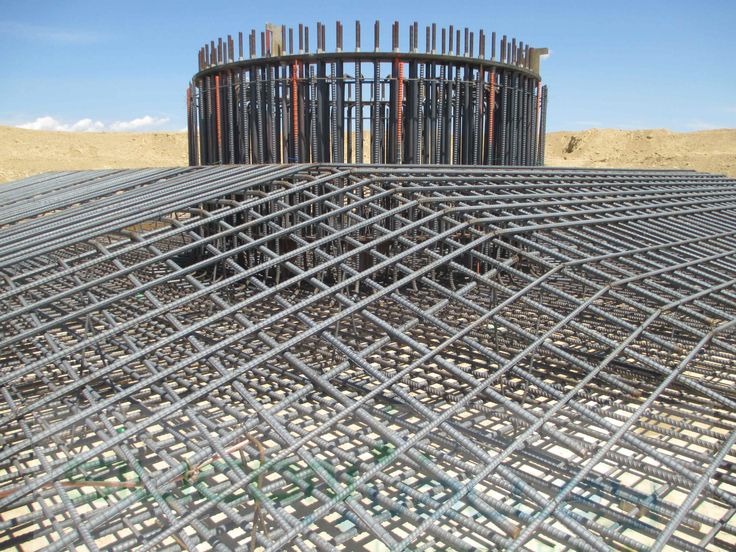
They should consider prefabricated cages when elements repeat, such as columns, piers, pads, and beams. Prefabrication can improve consistency, cut tying time, and reduce congestion in tight work zones.

In Australia, where weather and labour availability can shift weekly output, prefabricated reobar cages can stabilise production rates. They also help supervisors measure progress more clearly because the work is packaged into deliverable units that are easy to count and inspect.

When does epoxy coated or galvanised reobar make sense on Australian sites?

It makes sense when corrosion risk is high, such as coastal projects, marine structures, or assets exposed to deicing salts and aggressive environments. The decision should come from the project’s durability design and the engineer’s requirements, not a generic upgrade.

For many Australian builders, durability is a whole of life cost issue. Where specified, coated reobar must be handled correctly to avoid damaging the coating, and fixing practices should suit the system so the corrosion protection benefit is not compromised.

Reobar Ideas

How can they use reobar couplers to speed up fixing and reduce congestion?

They can use couplers to reduce lap lengths, improve buildability in heavily reinforced zones, and make connections cleaner around penetrations and starter bars. Couplers also help when they need staged pours or when bar continuity is difficult to achieve with traditional laps. Alongside these structural solutions, Construction Site Mesh Fencing can help improve site organisation, safety, and access control during active building projects.

On multi storey builds in Sydney, Melbourne, Brisbane, and Perth, couplers can simplify vertical bar continuity and reduce steel crowding at joints. If they adopt couplers, they should ensure the selected reobar coupler system is approved by the engineer and installed to the manufacturer’s instructions.

What role does reobar delivery sequencing play in keeping pours on programme?

It plays a major role because poor sequencing leads to double handling, missing bars, and time lost hunting for the right bundle. They can improve reliability by matching deliveries to pour zones, dates, and lift plans, and by confirming access constraints for trucks and cranes.

Many Australian projects benefit from a simple rule: deliver reobar in the order it will be fixed, labelled by grid and level. With clear bundle IDs and a laydown map, they reduce site traffic, speed up inspections, and lower the risk of incorrect bar placement.

Reobar Ideas

How should they manage reobar quality, compliance, and traceability?

They should manage compliance through documentation, inspection hold points, and clear acceptance criteria before concrete is placed. Traceability matters because it supports defect prevention and simplifies responses to audits or engineering queries.

On Australian sites, they can request mill certificates, confirm bar tags match bar schedules, and keep records linked to pour numbers. Good traceability also protects them when reobar substitutions occur due to supply constraints, since approvals can be tracked and verified without delays.

What is a practical way they can trial these reobar ideas without disrupting delivery?

They can trial one idea on a single repetitive scope, measure outcomes, then scale what works. A contained trial might be prefabricated cages for a set of columns, couplers for one lift, or delivery sequencing for one slab zone.

If they keep the trial small and documented, they can compare labour hours, defects, and programme impact. That evidence helps them decide which reobar changes are worth standardising across future Australian projects.

Which reobar idea tends to deliver the fastest on site wins?

Delivery sequencing and standardisation tend to deliver the fastest wins because they require minimal design change and can be implemented with existing suppliers. When they get bundles labelled correctly and matched to the pour plan, crews spend more time fixing and less time searching.

Once those basics are stable, prefabrication and couplers can add the next layer of productivity. In most cases, a simple, repeatable approach to reobar planning is what keeps concrete days predictable and reduces rework.

Pool Builders

Pool Builders Newcastle: What Construction Site Managers and Builders Need to Know in 2026

This guide explains what site teams should coordinate early, what typically causes delays, and how to manage interfaces with trades, certifiers, and clients when working with Pool Builders Newcastle.

What’s different about pool delivery in Newcastle builds in 2026?

In 2026, working with experienced pool builders Newcastle homeowners trust is more integrated with the overall construction program, not a bolt-on after landscaping. Site managers benefit when the pool scope is locked early, because access, levels, drainage, and service corridors often conflict with the main build.

Many Pool Builders Newcastle now expect earlier design confirmations, clearer responsibility boundaries, and documented approvals before excavation and shell works commence.

When should builders engage Pool Builders Newcastle on a project program?

They should be engaged as soon as site levels, house footprint, and setback constraints are known, ideally before finalising external works and service routes. Early engagement reduces redesign and prevents clashes with retaining, stormwater, and piering.

If they bring Pool Builders Newcastle in after slab and boundary works, access can be compromised and costs rise due to restricted machinery, extra spoil handling, or redesign of falls and drainage.

Which approvals and standards usually drive the critical path?

The critical path commonly includes development approval conditions (where applicable), engineering details, and barrier compliance certification. NSW pool barrier requirements still drive final occupation readiness because the pool area must meet the rules before it can be used.

Teams working with Pool Builders Newcastle should also factor in sediment control, stormwater connections, and any easements that affect excavation or pipe runs.

Who owns levels, set-out, and boundary risk on a pool job?

They need this agreed in writing before set-out begins, because level ownership is where disputes start. Builders often control finished floor levels and external falls, while pool teams control shell levels and coping interface, but the boundary can blur fast.

With Pool Builders Newcastle, site managers should confirm survey marks, boundary offsets, and nominated datum points, then document responsibility for any redesign if benchmarks are wrong.

What should be coordinated before excavation starts?

Before excavation, they should confirm access widths, overhead hazards, spoil stockpile locations, and plant pathways that will not damage new driveways or services. They also need dial-before-you-dig checks and on-site verification of private services.

Most Pool Builders Newcastle will ask for confirmation of pier locations, drainage lines, and retaining structures, because these can affect excavation batter, shoring, and shell engineering.

How do weather, soil, and groundwater affect pools around Newcastle?

Local conditions vary from coastal sandier profiles to heavier clays inland, and some blocks present groundwater or seepage risks after rainfall. These conditions influence dewatering plans, base preparation, and concrete scheduling.

When they plan with Pool Builders Newcastle, it helps to allow float for rain events and to confirm geotech assumptions, because reactive clay movement and water ingress can affect structural performance and finishes.

What are the most common interface clashes with other trades?

The frequent clashes are with stormwater plumbing, electrical conduits, fencing, and landscaping walls. Pool hydraulics can conflict with downpipes and ag lines, while equipment pad placement can interfere with external AC units or future decks.

Good Pool Builders Newcastle coordination includes service corridor drawings, agreed equipment pad location, and a clear sequence for concreting, tiling, fencing, and final electrical compliance.

How should they manage equipment pad location and acoustic expectations?

They should select a pad location that supports hydraulics runs, safe access, drainage away from the house, and separation from bedroom windows where possible. Noise complaints often arise when pumps face neighbouring living areas or sit on resonant slabs.

Pool Builders

Many Pool Builders Newcastle can advise on variable-speed pumps and placement strategies, while providing guidance on factors that may influence a Pool Resurfacing Cost Estimate. However, site managers should still confirm clearances, ventilation, and a compliant electrical isolator location.

What construction sequencing reduces delays and rework?

They reduce delays by locking in sequence: excavation and shell, curing, waterproofing and tiling, coping, equipment install, pressure testing, then surrounds and fencing, then commissioning. Surrounds should not trap unfinished levels or force non-compliant barrier gaps.

When working with Pool Builders Newcastle, builders usually benefit from scheduling fencing earlier than they think, because barrier inspection and gate hardware issues can stall handover.

What should they check in contracts, scope, and exclusions?

They should confirm exactly what is included for spoil removal, rock excavation, dewatering, cranage, temporary fencing, and reinstatement of access routes. They should also check who supplies and installs boundary fencing if it forms part of the pool barrier.

Clear contracts with Pool Builders Newcastle also define who is responsible for power provision, water for testing, equipment commissioning, and ongoing chemical balancing after handover.

How can they control quality on waterproofing, tiling, and coping interfaces?

They control quality by requiring documented substrate prep, correct cure times, and consistent tolerances at interfaces, especially where coping meets alfresco slabs or decks. Minor lippage and poor falls can create trip risks and water pooling that clients notice immediately.

If Pool Builders Newcastle are using subcontract tilers, site teams should still request product data sheets, check movement joints, and confirm compatible sealants at junctions.

What does compliant pool fencing and barrier certification involve in NSW?

It involves meeting barrier height, non-climbable zones, gate self-closing and latching rules, and correct clearances under and around the fence. Certification is typically issued after installation and rectification of any defects found during inspection.

Builders coordinating with Pool Builders Newcastle should avoid last-minute fence changes, because altering fence lines can affect landscaping, falls, and gate swing clearances.

How should site managers handle variations and client expectations?

They should document decisions early and present variation impacts in time, cost, and program, not just cost. Clients often change tile selections, coping profiles, or lighting layouts late, and those changes can affect lead times and rough-in positions.

Working with Pool Builders Newcastle goes smoother when they set a selections deadline and require sign-off on a final schedule that includes skimmer type, returns, lights, and automation.

Pool Builders

What should be included in practical completion and handover for a pool?

Handover should include as-built hydraulic layout, equipment manuals, warranties, water test results, and commissioning records. They should also provide a simple maintenance briefing, plus who to call for warranty issues versus general servicing.

Most Pool Builders Newcastle will offer a startup procedure, but builders should ensure fencing certificates, electrical compliance, and any DA conditions are finalised before they schedule the client walkthrough.

How can builders choose the right pool builder partner in Newcastle?

They should look for clear documentation, predictable sequencing, and a willingness to coordinate with the broader build team, not just deliver the shell. The best partners provide upfront risk flags on access, levels, and soil, and they price allowances transparently.

When selecting Pool Builders Newcastle, site managers can ask for recent local references, example programs, and a checklist for pre-excavation requirements so the project starts cleanly.

What’s the simplest checklist to keep Pool Builders Newcastle on track?

They can keep it simple: confirm levels and survey, lock equipment pad location, freeze selections, confirm service corridors, schedule fencing early, and document responsibilities for spoil, rock, and dewatering. A short checklist prevents the most expensive surprises.

For smoother delivery with Pool Builders Newcastle, they should run a pre-start meeting that includes the builder, pool supervisor, plumber, electrician, and fencer, then issue written minutes the same day.

<script type="application/ld+json">
{
  "@context": "https://schema.org",
  "@type": "BlogPosting",
  "mainEntityOfPage": {
    "@type": "WebPage",
    "@id": "https://airdriepaintanddecor.com/pool-builders-newcastle-what-construction-site-managers-and-builders-need-to-know-in-2026/"
  },
  "headline": "Pool Builders Newcastle: What Construction Site Managers and Builders Need to Know in 2026",
  "image": [
    "https://airdriepaintanddecor.com/wp-content/uploads/2026/08/venice-pool-2-1-1000x700-1.jpg",
    "https://airdriepaintanddecor.com/wp-content/uploads/2026/08/manhattan-slimline-7-2m-royal-jade-shimmer-shelley-1.jpg",
    "https://airdriepaintanddecor.com/wp-content/uploads/2026/08/monaco-slimline-7.2m-royal-jade-churchlands-5-1024x683-1.jpg"
  ],  
  "author": {
    "@type": "",
    "name": "Mitchell Sternberg",
    "url": "https://airdriepaintanddecor.com/author/admin/"
  },  
  "publisher": {
    "@type": "Organization",
    "name": "Airdrie Tile Paint and Decor",
    "logo": {
      "@type": "ImageObject",
      "url": "https://airdriepaintanddecor.com/wp-content/uploads/2021/12/445.png"
    }
  },
  "datePublished": ""
}
</script>

Mesh Fencing

What Is Mesh Fencing? A Quick Guide for Construction Site Managers and Builders

This guide explains what it is, how it works on site, and what to check before they hire or buy it.

What is mesh fencing?

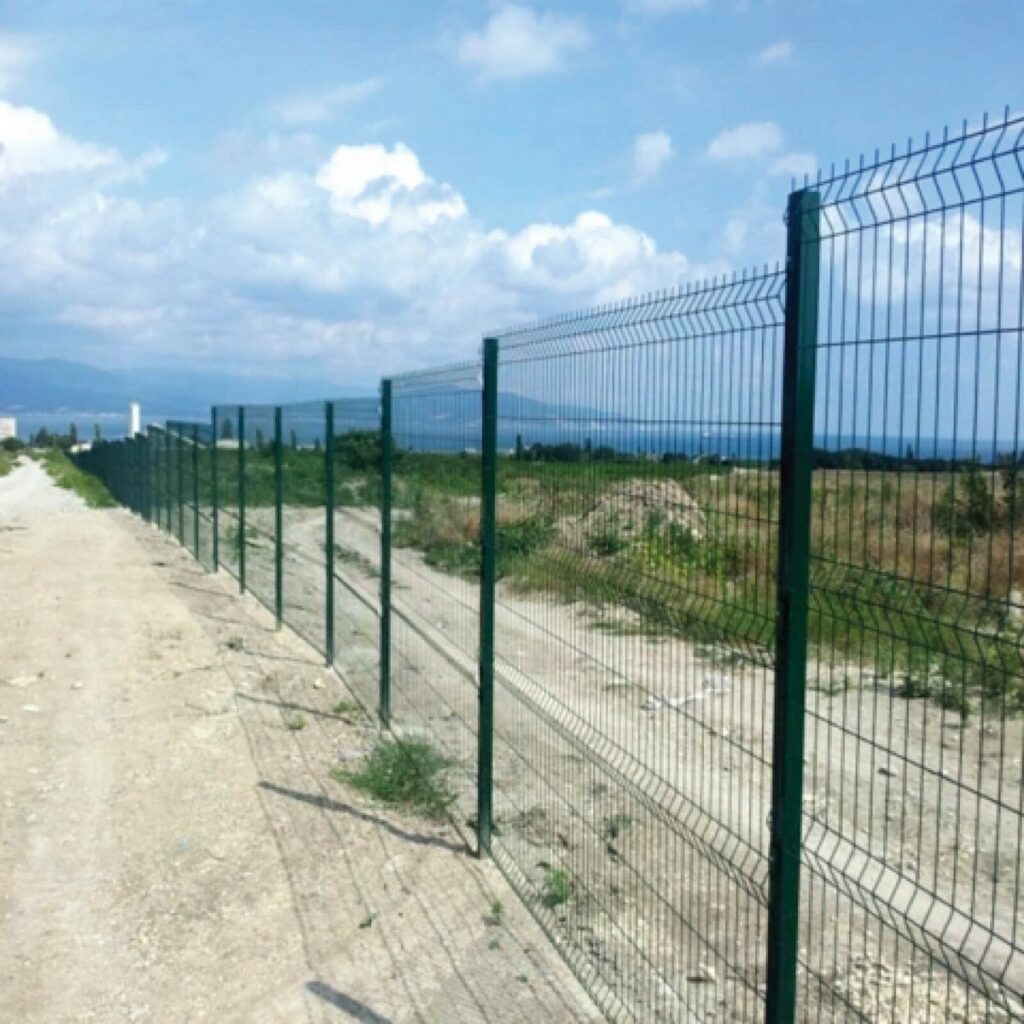
Mesh fencing is a fence system made from wire mesh panels or rolls that create a physical barrier while still allowing airflow and visibility. On Australian building sites, mesh fencing is commonly used to define work zones, restrict public access, and meet basic safety expectations during active works.

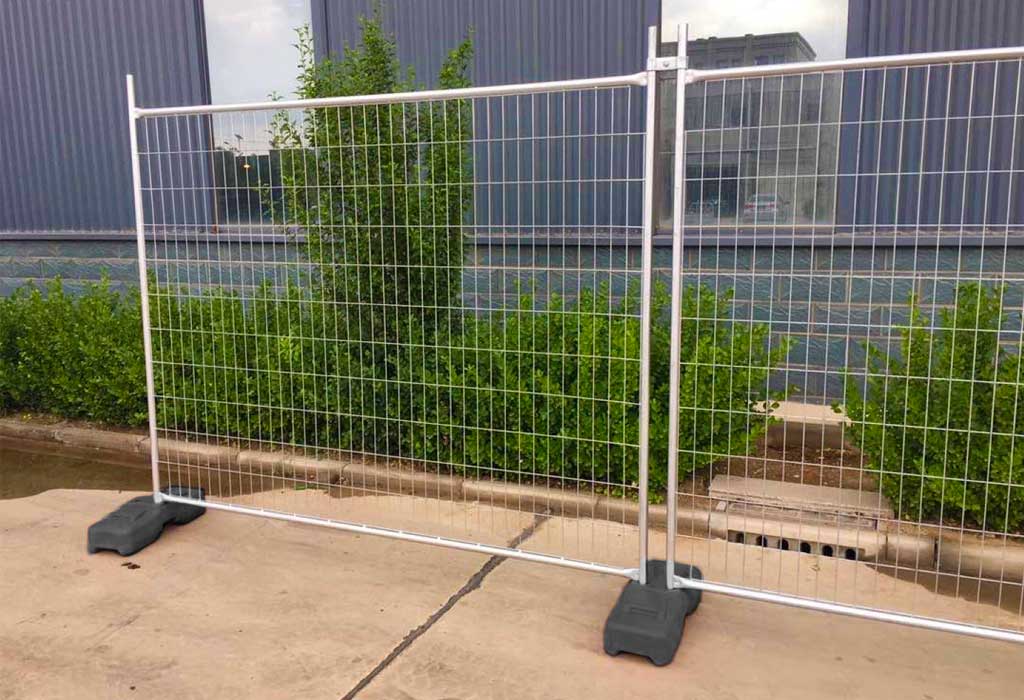
It is available as temporary panels, chain mesh rolls, or welded mesh sheets, depending on the job and the level of security needed.

Why do Australian construction sites use mesh fencing?

They use mesh fencing because it is fast to install, easy to move, and strong enough to deter casual entry without blocking sightlines. It also helps site teams keep pedestrians away from hazards while allowing supervisors to monitor activity from outside the boundary.

In busy areas like inner Brisbane or suburban Perth, visibility matters because it reduces surprise interactions at gates, driveways, and shared access points.

What are the main types of mesh fencing used on building sites?

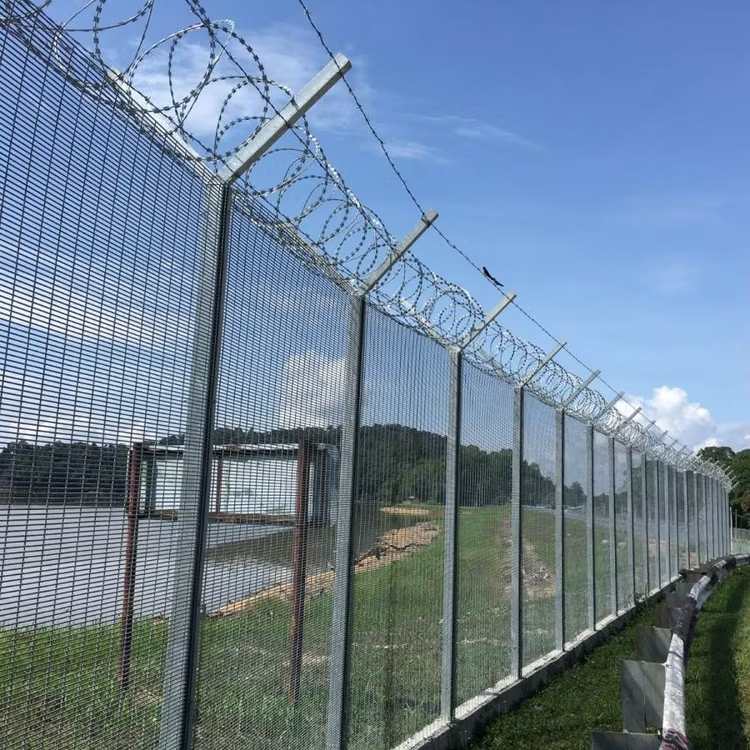
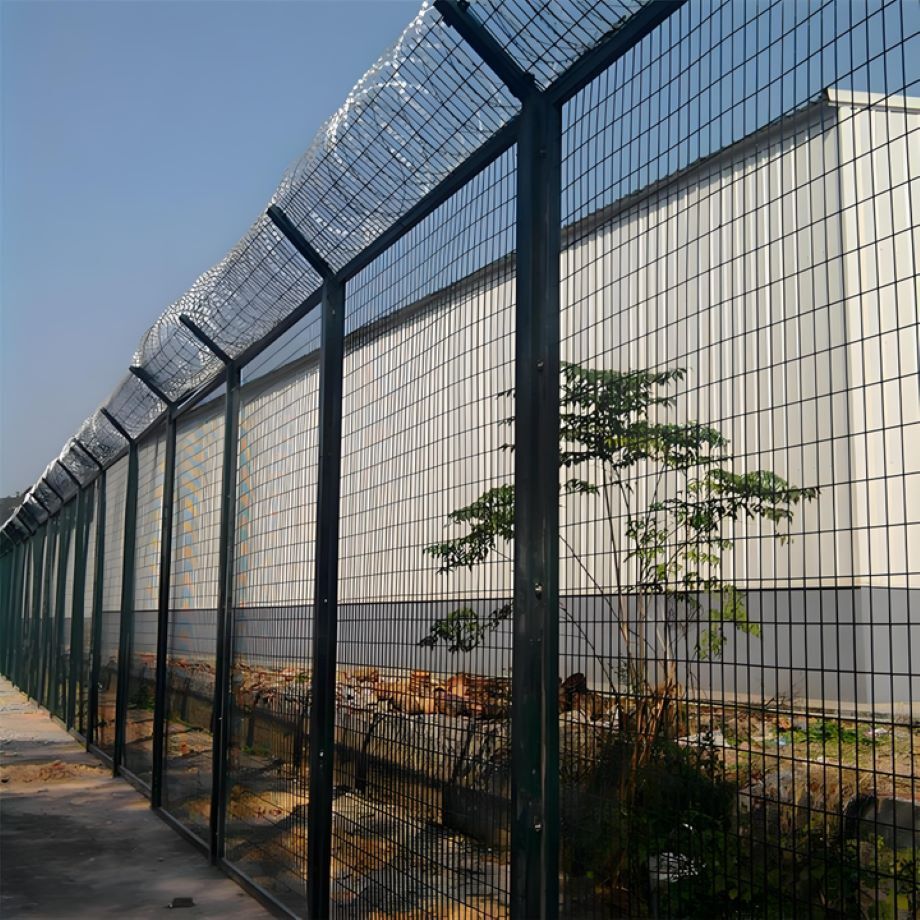
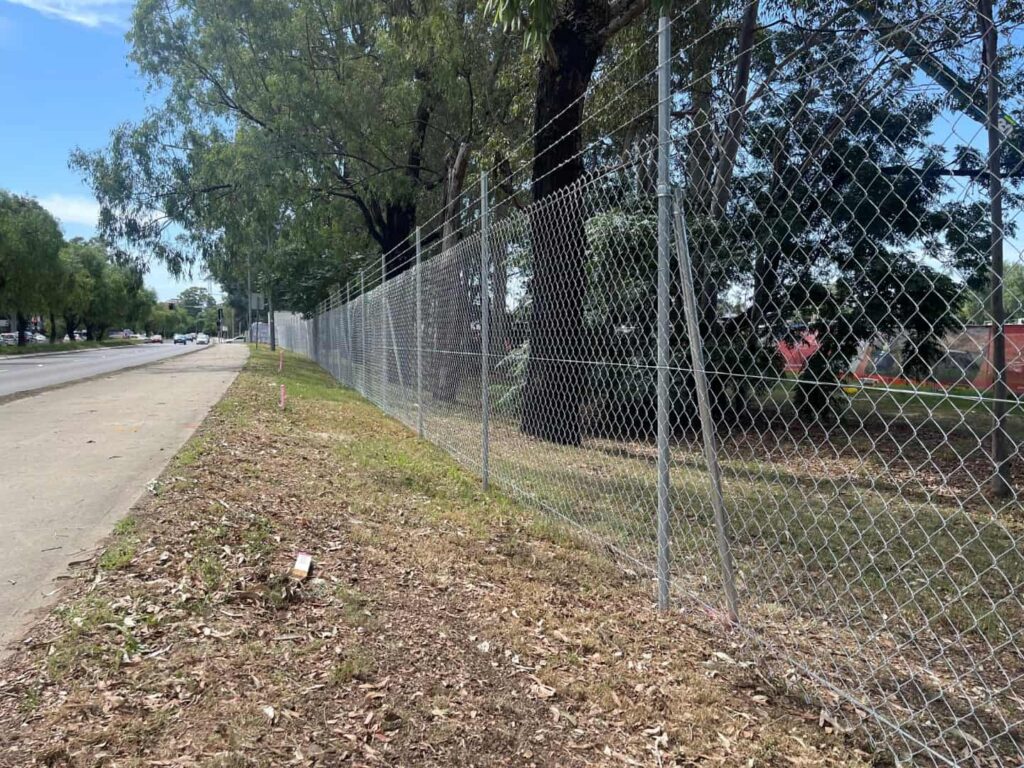
Most sites choose between temporary welded mesh panels, chain mesh fencing (often fixed to star pickets or posts), and higher-security anti-climb mesh. Mesh fencing selection usually comes down to how long the job runs, whether the boundary must be moved, and how likely the public is to test it.

For short projects, hire-panel systems are common. For longer builds, they may prefer a more robust installed mesh option.

How does temporary mesh fencing work?

Temporary mesh fencing typically uses galvanised mesh panels set into weighted feet, then joined with clamps. This makes it quick to set up along a boundary line and simple to adjust when site conditions change.

Many Australian hire companies also supply stabilisers, shade cloth, and lockable gates, so site teams can scale the setup without redesigning the whole perimeter.

When is mesh fencing better than solid hoarding?

Mesh fencing is often better when they need visibility, airflow, and a lower-cost boundary that can be relocated. Solid hoarding suits projects needing privacy, signage, dust control, or stronger visual separation, which is common on CBD footpaths and high-traffic retail strips.

If the main goal is safe separation and access control, mesh fencing is usually the more flexible choice.

What security level can mesh fencing realistically provide?

Mesh fencing provides a deterrent and a delay, not a guarantee. It helps prevent accidental entry and discourages opportunistic access, but determined intruders may still climb, cut, or move panels if the setup is weak.

They can lift security by using anti-climb mesh, adding bracing, anchoring feet, reducing gaps under panels, and installing lockable gates with consistent after-hours checks.

How is mesh fencing installed safely on an Australian construction site?

They should start by checking ground conditions, wind exposure, and the likely pedestrian flow around the boundary. A safe setup uses stable feet, secure clamps, and bracing where the run is long or exposed, especially on open sites in coastal areas where gusts are common.

They also need clear gate placement for plant movement, deliveries, and emergency access, so vehicles do not force panels out of alignment.

Mesh Fencing

What common mistakes cause mesh fencing to fail on site?

Most failures come from poor stability and poor planning rather than weak materials. A thorough Rebar Inspection for Construction Projects can help identify potential structural concerns early, while panels can topple if they are not braced, if feet sit on uneven fill, or if shade cloth is added without considering wind load.

Gaps are another issue. If there is space under the line, or if corners are not tied in properly, mesh fencing becomes easy to push aside, lift, or climb.

How can they improve safety and access control with mesh fencing?

They can improve outcomes by treating the fence line like a controlled system rather than a row of panels. That means placing gates where traffic actually flows, keeping walkways clear, and using signage that matches the risks present, such as “Construction site, keep out” and PPE requirements.

Mesh fencing also works well with designated entry points, visitor sign-in processes, and lighting near gates for early starts and winter afternoons.

What compliance and duty-of-care factors matter in Australia?

In Australia, they must meet their WHS duties by managing risks to workers and the public, including risks created by site access. While requirements vary by state and the nature of the work, mesh fencing is often used as part of a broader control plan to separate hazards and restrict entry.

They should align the fencing approach with their site-specific risk assessment, traffic plan, and any local council conditions that apply to the footpath or verge.

What should they look for when hiring or buying mesh fencing?

They should prioritise condition, fit-for-purpose hardware, and support from a supplier who understands construction timelines. Good mesh fencing panels are straight, clamps tighten properly, feet are not cracked, and gates latch cleanly without dragging.

If they are buying, galvanised finishes and consistent panel sizing matter. If they are hiring, delivery reliability, emergency replacements, and clear hire terms usually matter more than chasing the cheapest weekly rate.

How much does mesh fencing cost in Australia?

Costs depend on whether they hire or buy, the fence length, the project duration, delivery distance, and extras like gates, shade cloth, bracing, and concrete blocks. Metro sites in Sydney, Melbourne, and Adelaide often have competitive hire markets, while regional projects may pay more due to transport.

They should budget beyond panels alone, because the real cost often sits in gates, stabilisation, and reconfiguration during the build.

Mesh Fencing

How long can mesh fencing stay in place on a project?

Mesh fencing can stay in place for weeks or months, but only if it is maintained. Over time, sites change, ground gets cut, and weather shifts, which can introduce lean, gaps, and loose clamps.

They should schedule routine checks, especially after high winds or major deliveries, and they should reset feet and bracing whenever the fence line is moved.

What is the simplest checklist before they choose mesh fencing?

They can make the decision quickly by confirming the job’s boundary needs, public exposure, and access points. The right mesh fencing setup is the one that suits the risk level, not the one that looks most convenient on day one.

Here is a simple pre-start checklist they can use:

  • How long will the boundary stay in the same place?
  • Is anti-climb mesh needed due to public traffic or previous trespass?
  • How many vehicle and pedestrian gates are required?
  • Will shade cloth be added, and if so, how will wind be managed?
  • Who will inspect and maintain the fence line each week?

What should they remember about mesh fencing on Australian building sites?

Mesh fencing is a practical, widely used control that helps construction site managers and builders secure boundaries, guide access, and reduce public risk. It works best when they choose the right type, stabilise it for local conditions, and maintain it as the site evolves.

If their goal is a fast, visible, and adaptable perimeter, mesh fencing is usually the most efficient starting point for Australian construction projects.

Mesh Fencing

Mesh Fencing for Construction Sites: Compliance Guide

This guide explains what typically drives mesh fencing compliance on construction sites and how teams can choose, install, and maintain fencing that stands up to inspections.

What does “compliance” mean for mesh fencing on construction sites?

Mesh fencing compliance means the site’s boundary controls match the risks and the rules that apply to that specific project. In practice, inspectors assess whether mesh fencing effectively restricts unauthorised access, remains stable in expected wind and site conditions, provides safe separation from pedestrians and traffic, and displays clear warning signage.

Because regulations vary by jurisdiction and project type, mesh fencing is typically treated as one component of a broader site security and public protection plan.

Which regulations and standards usually apply?

Most projects are governed by a mix of workplace safety law, construction regulations, local authority requirements, and contract specifications. The most reliable way to confirm requirements is to check the project’s health and safety plan, method statements, and any local permitting conditions.

If a project sits near public roads, schools, or high-footfall areas, additional local conditions often apply, especially for pedestrian management and out-of-hours security.

When is mesh fencing required, and when is it not enough?

Mesh fencing is commonly required whenever a site needs a defined perimeter to prevent unauthorised entry. It is also used to separate the public from moving plant, excavations, materials storage, and temporary works.

It may not be enough where there is a high risk of falling objects, a need for full visual screening, a requirement for higher anti-climb performance, or exposure to strong winds. In those cases, they may need solid hoarding, debris netting solutions, increased height, or secondary controls.

What height and perimeter design expectations do inspectors typically look for?

Inspectors typically expect a continuous perimeter with minimal gaps, a consistent height appropriate to the risk, and protection at vulnerable points like corners, gates, and changes in level. They also look for fences that cannot be easily pushed over, lifted off feet, or bypassed through incomplete lines.

Where the public is close, they often expect the perimeter to be designed so people are guided safely, rather than tempted to shortcut through the site boundary.

How should they choose the right mesh fence type?

They should select fencing based on risk, environment, and expected duration. Temporary welded mesh panels are common for short-to-medium projects because they are quick to deploy and relocate. Chain-link systems can suit longer durations but usually need more robust posts and tensioning.

They should also check whether the specification calls for anti-climb mesh, tighter apertures, or specific coatings where corrosion is likely.

What stability, ballast, and wind considerations matter for compliance?

Stability is a frequent failure point in site inspections. Panels should have suitable feet, ballast, and connections for the site conditions, especially in exposed areas or where sheeting and signage increase wind load.

They should not assume one ballast approach fits every site. Uneven ground, soft verges, and narrow pavements change the risk. A simple rule is that anything that can topple onto the public or into traffic needs extra attention, even if it “usually holds.”

How should gates and access points be managed to stay compliant?

Gates are often the weakest link, so they should be treated as controlled access points, not just openings in the fence line. Inspectors typically want gates that are lockable, wide enough for intended vehicle movements, and positioned to avoid forcing reversing into public areas.

They should also manage gate operation: who has keys, when gates are open, and how pedestrians are separated from vehicles. Poor gate control can undermine an otherwise compliant fence line.

What signage is usually expected on mesh fencing?

Signage expectations depend on local rules, but inspectors generally expect clear warnings and contact information. They often look for signs that communicate “no unauthorised entry,” key hazards, and emergency contacts, placed where they can actually be seen.

If the public routes near the fence, additional wayfinding and pedestrian guidance signs may be needed so people are not funnelled into conflict with vehicles or site operations.

How do they protect pedestrians and the public around the fence line?

They should treat the outside of the fence as part of the safety problem. If pedestrians pass close by, teams typically need adequate walkway width, barriers or cones to create separation, and visible delineation at night.

They should also avoid sharp edges, protruding ties, and trip hazards from feet and ballast. Where visibility is poor, reflective elements and lighting controls are commonly expected.

Mesh Fencing

What inspection and maintenance routine helps them pass audits?

They should inspect fencing regularly and after events that change conditions, such as storms, deliveries, plant strikes, or groundworks near the line. A simple documented checklist helps: continuity, stability, feet and ballast, couplers, damage, gate function, and signage.

If they log defects and close them out quickly, they can demonstrate active management, which is often as important as the physical fence itself.

What are the most common compliance failures with mesh fencing?

The most common failures are gaps at the bottom or ends, missing couplers, inadequate ballast, leaning panels, unsecured gates, and poor interface with public walkways. Another frequent issue is adding privacy sheeting without reassessing wind load, which can turn a stable fence into a hazard.

They also fail compliance when fencing drifts from the approved plan, such as shifting the line to suit deliveries without updating pedestrian routes and signage.

How can they document mesh fencing decisions for compliance?

They should keep records that show the fence was selected and installed based on risk. Useful documents include the site logistics plan, risk assessments, method statements for installation, inspection logs, photos of key areas, and any local authority permits.

If an incident occurs or an inspector asks why a fence type was chosen, documentation helps show it was a deliberate control, not an afterthought.

What is a practical compliance checklist they can use before an inspection?

They can use a quick pre-inspection check to catch most issues:

  • Is the perimeter continuous with no easy bypass points?
  • Are panels upright, coupled, and stable with appropriate ballast?
  • Are feet and ballast positioned to avoid trips and obstruction?
  • Are gates lockable, controlled, and safely located for vehicles and pedestrians?
  • Is signage present, legible, and placed at key approaches?
  • Are pedestrian routes safe, separated, and usable at night?
  • Are inspections logged, and are defects closed out promptly?

Mesh fencing compliance is rarely about one “perfect” product. It is about whether the fence, the layout, and the daily management together reduce risk in a way the rules expect.

FAQs (Frequently Asked Questions)

What does compliance mean for mesh fencing on construction sites?

Compliance means that the site’s boundary controls, including mesh fencing, effectively match the risks and rules applicable to the project. Inspectors look for restricted unauthorised access, fence stability under expected conditions, safe interfaces with pedestrians and traffic, and clear warning signage. Compliance varies by jurisdiction and project type, so mesh fencing is typically part of a broader site security and public protection plan.

Which regulations and standards typically apply to mesh fencing on construction sites?

Mesh fencing on construction sites is governed by a combination of workplace safety laws, construction regulations, local authority requirements, and contract specifications. To confirm exact requirements, teams should consult the project’s health and safety plan, method statements, and any local permitting conditions. Sites near public roads, schools, or high-footfall areas may also have additional local mandates for pedestrian management and out-of-hours security.

When is mesh fencing required on construction sites, and when might it be insufficient?

Mesh fencing is commonly required to define site perimeters preventing unauthorised entry and to separate the public from hazards like moving plant, excavations, material storage, or temporary works. However, it may be insufficient where there’s a high risk of falling objects, need for full visual screening, higher anti-climb performance requirements, or exposure to strong winds. In such cases, solid hoarding, debris netting solutions, increased fence height, or secondary controls are necessary.

What height and perimeter design features do inspectors expect for compliant mesh fencing?

Inspectors expect a continuous perimeter fence with minimal gaps and consistent height appropriate to the site’s risk profile. Vulnerable points such as corners, gates, and level changes must be well protected. Fences should resist being pushed over or lifted off their feet and avoid incomplete lines that allow bypassing. Where the public is nearby, fences should guide pedestrian movement safely to prevent shortcuts through the site boundary.You may also visit https://airdriepaintanddecor.com/scaffolding-mesh-5-benefits-for-site-safety-and-debris-control/ to learn more about : Scaffolding Mesh: 5 Benefits for Site Safety and Debris Control.

Mesh Fencing

How should teams choose the right type of mesh fence for their construction site?

Fence selection should be based on risk assessment, environmental conditions, and project duration. Temporary welded mesh panels suit short-to-medium projects due to ease of deployment and relocation. Chain-link fences are better for longer durations but require more robust posts and tensioning systems. Teams should also consider specifications for anti-climb mesh, tighter apertures for security needs, or corrosion-resistant coatings in harsh environments.

What inspection and maintenance routines help ensure mesh fencing passes audits?

Regular inspections are essential—especially after events like storms or groundworks—to check fence continuity, stability of feet and ballast, condition of couplers, damage levels, gate functionality, and signage visibility. Maintaining a documented checklist aids in tracking these elements. Promptly logging defects and addressing them demonstrates active management of fencing compliance which is often as important as the physical fence itself.

Scaffolding Mesh

Scaffolding Mesh: 5 Benefits for Site Safety and Debris Control

Below are five practical benefits, focused on safety and debris control, that contractors and site managers typically care about most.

Why does scaffolding mesh reduce falling debris and dropped-object risk?

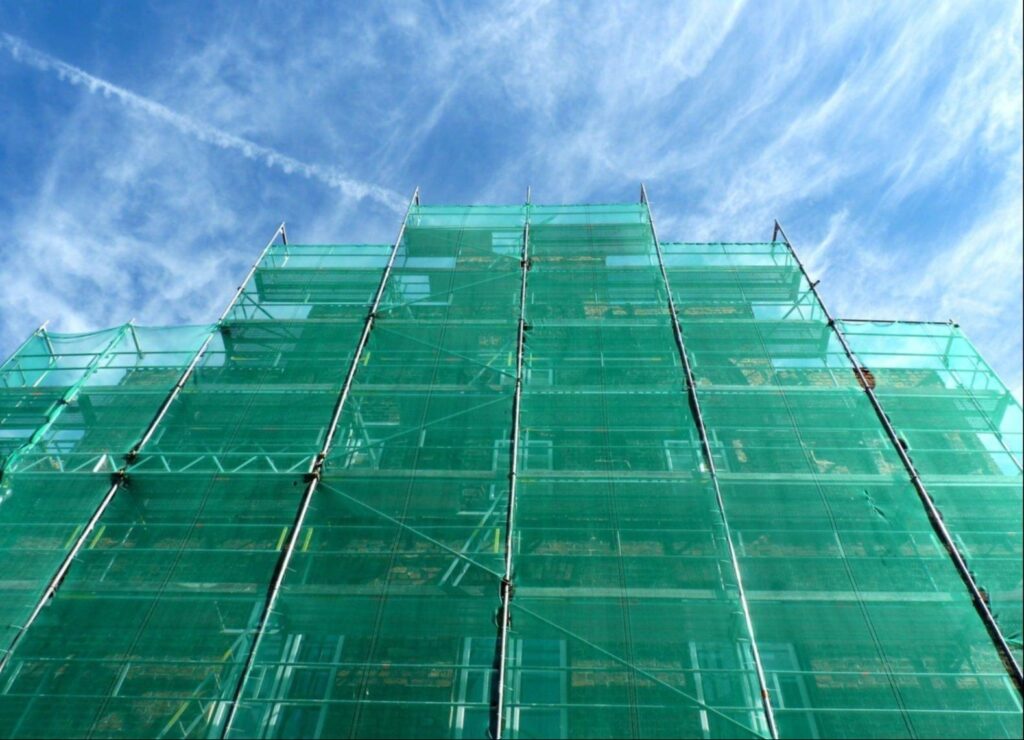
A safety strip acts as a secondary barrier that catches or slows down loose materials before they leave the scaffold. This directly reduces the chance of debris striking workers below or landing in public areas.

A safety strip is especially useful during tasks like grinding, cutting, raking out, rendering, and façade removal, where small fragments can travel significant distances. It also helps contain packaging, offcuts, and light waste that might otherwise blow off working platforms.

Scaffolding Mesh

How does scaffolding mesh improve site safety for pedestrians and neighbouring properties?

It creates a visible perimeter that discourages people from walking too close to risk zones. In busy streets or shared access areas, that extra separation can be critical.

The mesh also reduces the chance of debris reaching adjacent buildings, parked vehicles, and walkways. For sites operating near shops, schools, or residential areas, this can help lower complaints and reduce the likelihood of damage claims linked to dust or minor impacts.

How can scaffolding mesh help with dust, overspray, and general containment?

It helps trap airborne dust and reduce how far it drifts, particularly during sanding, cutting, and surface prep. While it is not a sealed system, it still adds meaningful containment compared to open scaffolding.

For painting, blasting, or coating work, mesh can reduce overspray spread and help keep surrounding surfaces cleaner. That can cut down on rework and cleaning time, especially when the scaffold sits close to finished areas.

Why does scaffolding mesh support better wind and weather control?

It can reduce wind exposure on the working platforms, making conditions more stable for operatives and materials. That often helps teams maintain productivity when gusts would otherwise disrupt handling of boards, insulation, and lightweight components.

At the same time, mesh can provide limited shielding from light rain and glare, depending on its density and placement. They still need to follow engineering guidance, because wind loading can increase with certain mesh types and installations.

How does scaffolding mesh contribute to compliance, professionalism, and smoother site operations?

It helps sites demonstrate that they are taking reasonable steps to manage falling-object hazards and protect the public. That can make inspections smoother and reduce the back-and-forth that happens when boundaries and containment look inadequate.

It also improves how the project appears from the outside. A scaffold wrapped neatly with consistent mesh looks controlled and organised, which can matter for client confidence, stakeholder relations, and keeping the site team aligned on safety expectations.

Scaffolding Mesh

What should they check before choosing and installing scaffolding mesh?

They should confirm the mesh type, fire performance, and fixing method match the job’s risk profile and local requirements. The key is to avoid treating mesh as a generic accessory, because density, strength, and wind impact vary widely.

They should also check for tears, loose edges, and poor overlaps throughout the job, not just at install. Mesh only works as a barrier when it stays tensioned, continuous, and properly fixed, especially around corners, loading bays, and high-traffic scaffold lifts.

FAQs (Frequently Asked Questions)

How does scaffolding mesh reduce the risk of falling debris and dropped objects on construction sites?

Scaffolding mesh acts as a secondary barrier that catches or slows down loose materials before they leave the scaffold. This directly reduces the chance of debris striking workers below or landing in public areas, especially during tasks like grinding, cutting, and facade removal where small fragments can travel far.

In what ways does scaffolding mesh improve site safety for pedestrians and neighboring properties?

Scaffolding mesh creates a visible perimeter that discourages people from walking too close to risk zones, which is critical in busy streets or shared access areas. It also reduces the chance of debris reaching adjacent buildings, parked vehicles, and walkways, helping lower complaints and minimize damage claims linked to dust or minor impacts.

Can scaffolding mesh help control dust, overspray, and general containment on construction sites?

Yes, scaffolding mesh helps trap airborne dust and reduces how far it drifts during sanding, cutting, and surface preparation. While not a sealed system, it adds meaningful containment compared to open scaffolding. Additionally, it can reduce overspray spread during painting or coating work, keeping surrounding surfaces cleaner and cutting down on rework and cleaning time.

How does scaffolding mesh support better wind and weather control for workers on scaffolds?

Scaffolding mesh reduces wind exposure on working platforms, making conditions more stable for operatives and materials. This helps maintain productivity when gusts might otherwise disrupt handling of boards and lightweight components. Depending on its density and placement, mesh can also provide limited shielding from light rain and glare while following engineering guidance to manage wind loading.

What role does scaffolding mesh play in compliance, professionalism, and smoother site operations?

Scaffolding mesh demonstrates that sites are taking reasonable steps to manage falling-object hazards and protect the public, facilitating smoother inspections by reducing issues with boundaries and containment. It also enhances the project’s appearance by presenting a controlled and organized scaffold wrap, boosting client confidence, stakeholder relations, and aligning the site team on safety expectations.

Scaffolding Mesh

What factors should be checked before choosing and installing scaffolding mesh on a construction site?

Before selecting scaffolding mesh, it’s important to confirm that the mesh type, fire performance, and fixing method match the job’s risk profile and local requirements. Mesh should not be treated as a generic accessory because density, strength, and wind impact vary widely. Additionally, regular checks for tears, loose edges, poor overlaps, and ensuring tensioned continuous fixing—especially around corners and high-traffic areas—are essential for effective barrier performance.

Related : Mesh Fencing for Construction Sites: Compliance Guide

The most often encountered tapware issues and their resolutions

The most often encountered tapware issues and their resolutions

Numerous complications might emerge when it comes to tapware, and we often get a great number of inquiries on this subject. As a consequence, we’ve compiled a list of our most frequently asked questions, along with some responses, to aid you.

How did my faucets begin to drip or leak?

To determine why your faucets are leaking, you must first determine the kind of tapware faucet.

Hot and cold water pillar faucets in the traditional style

If your tapware faucets have separate hot and cold handles, the most common reason for leaky faucets is a faulty seal or washer. If you transfer your seals and washers correctly to a local repair shop, you should be able to get a replacement at a reasonable cost.

Faucet mixers

A leak in bathroom mixer tapware is often caused by a fault with the tap’s ceramic cartridge. If you take the cartridge to a local plumber’s merchant, you should be able to get a replacement cartridge.

Is it straightforward to replace a faucet?

The ease with which tapware is installed varies by tap and location, but for the majority of do-it-yourself enthusiasts, changing a faucet is a rather simple task.

My faucets have been depressurized totally.

A drop in the pressure at your tapware faucets might be caused by a multitude of factors. While we’ve provided some suggestions below, in this case, it’s best to call a plumber who can analyze the matter on-site.

Is your cold kitchen faucet working properly?

Water often enters your home via the cold kitchen tapware faucet first; if water flows freely from this faucet but not from other faucets around the house, there may be an internal plumbing issue.

Are the emergency stop valves on your tapware entirely open?

Check for frozen pipes.

If the stop tapware valve is not entirely open (which is often positioned under the kitchen sink), it may restrict water delivery to the residence. Counterclockwise turn the faucet as far as possible to ensure that it is fully open.

During the winter months, it is fairly common for exposed tapware pipes to freeze. This increases the possibility of the pipes expanding and rupturing. Any visible pipes should be inspected for signs of damage or freezing.

Speak with your neighbors

Are your immediate neighbors seeing a drop in tap pressure as well? If this is the case, an issue with the external tapware‘s water mains may exist, in which case you should contact your water supplier or local council. Otherwise, an issue with your internal plumbing may exist.

Are you simultaneously running many water systems?

If the demand for water in your home is abnormally high at any point in time, this might have an influence on the pressure. Is your water pressure reducing while you operate the washing machine or shower? Conduct a tapware test by running the tap with all other sources turned off.

Conduct an examination for the presence of an airlock.

Reduced water pressure may be caused by trapped air in the pipes of your tapware faucet. While there are many techniques for correcting an airlock in your taps, it is suggested that you call a qualified plumber.

Which technique is the most effective for eliminating limescale from faucets?

While there are several professional tapware cleaning treatments that may effectively remove unattractive limescale from your faucets, lemon and vinegar are two simple and effective household components that can restore the shine to your faucets.

Attach a lemon or a cup of vinegar to the spout of your faucet and leave for about an hour (longer if the limescale is more resistant); this will help break down the limescale and make it simpler to clean with a brush. Other areas of the tap may be treated by soaking a cotton wool pad in vinegar or lemon juice and applying it to the affected region.

When planning a bathroom, kitchen, or other wet area construction or remodeling project, keep in mind that tapware selection is crucial for each setting. Consider the following aspects when picking the tapware that best suits your requirements. Visit https://hgic.clemson.edu/factsheet/a-clean-safe-healthy-kitchen-home-the-importance-of-keeping-your-kitchen-clean-and-safe/ to read about a clean, safe, healthy kitchen & home: the importance of keeping your kitchen clean and safe.

1. The design of the room

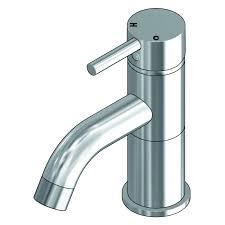
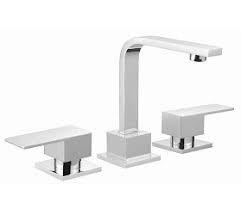
Match the style of your tapware to the overall decor of the area. Sleek, clear lines are required for modern and contemporary design. For an ultra-modern aesthetic, choose square or rectangular tapware with angular lines, while a traditional, rural, or eclectic design may integrate a number of tapware types, such as the classic three-piece tapware with typical turned handles and curved spouts.

2. Tapware Construction Materials

It is vital to choose high-quality tapware, such as DR brass and non-toxic polymers and elastomers, and to have it properly installed. They must have high-quality components such as the cartridge, the aerator, the hoses, and the rubber washers. Superior materials assure the safety of your drinking water, as well as the durability and lifetime of your faucets and faucet accessories.

3. Tapware’s technical specifications

Consider any unusual size needs prior to making your order. When shopping for kitchen faucets, for example, examine the spout height, reach (length), and swivel capabilities to ensure that tall stock pots and huge oven pans do not get clogged. Additionally, you may like to take into account the size and depth of your kitchen sink to ensure that the two components are properly matched. Bear in mind that a deeper sink results in a taller spout. Apart from bench (hob) installation, you should investigate ‘off the wall’ or wall-mounted options. The same considerations must be considered while building toilets. If, for example, you have an above-mounted shaving cabinet with outward swinging doors, you should examine if the height of the basin’s tapware is restricted, or whether a wall-mounted mixer would be more suited given the tabletop’s limited width.

4. Mounting Techniques

As noted briefly before, another consideration is the mounting style of your tapware faucets and fixtures. While shower enclosures often need wall-mounted mixers, bathtubs may require either wall-mounted or hob-mounted mixers. Additionally, you may pick between a vanity-mounted mixer tap and a mixer combo (a combination of a mixer and a spout) positioned on the wall above the basin. Consider also the accessibility of pipe required for pre-installation behind the wall, regardless of whether in-wall or off-wall mixers are used. Click here to read about The Advantages and Disadvantages of Black Tapware

The Advantages and Disadvantages of Black Tapware

The Advantages and Disadvantages of Black Tapware

Black tapware’s appeal in bathrooms and kitchens does not seem to be waning anytime soon. According to market research, this tapware finish seems to be nearly as popular as classic chrome or stainless-steel taps, which have kept their timeless charm over the years. Despite our recent obsession with black tapware, there are definite benefits and drawbacks to using this finish in your bathrooms and kitchens, depending on your personal tastes.

What seems to be attractive upon installation may not always preserve its aspect or appeal after a few years. I’ll explore the benefits and drawbacks of black tapware from a plumber’s viewpoint, as well as provide ideas for ensuring that your black tapware retains its beauty over time.

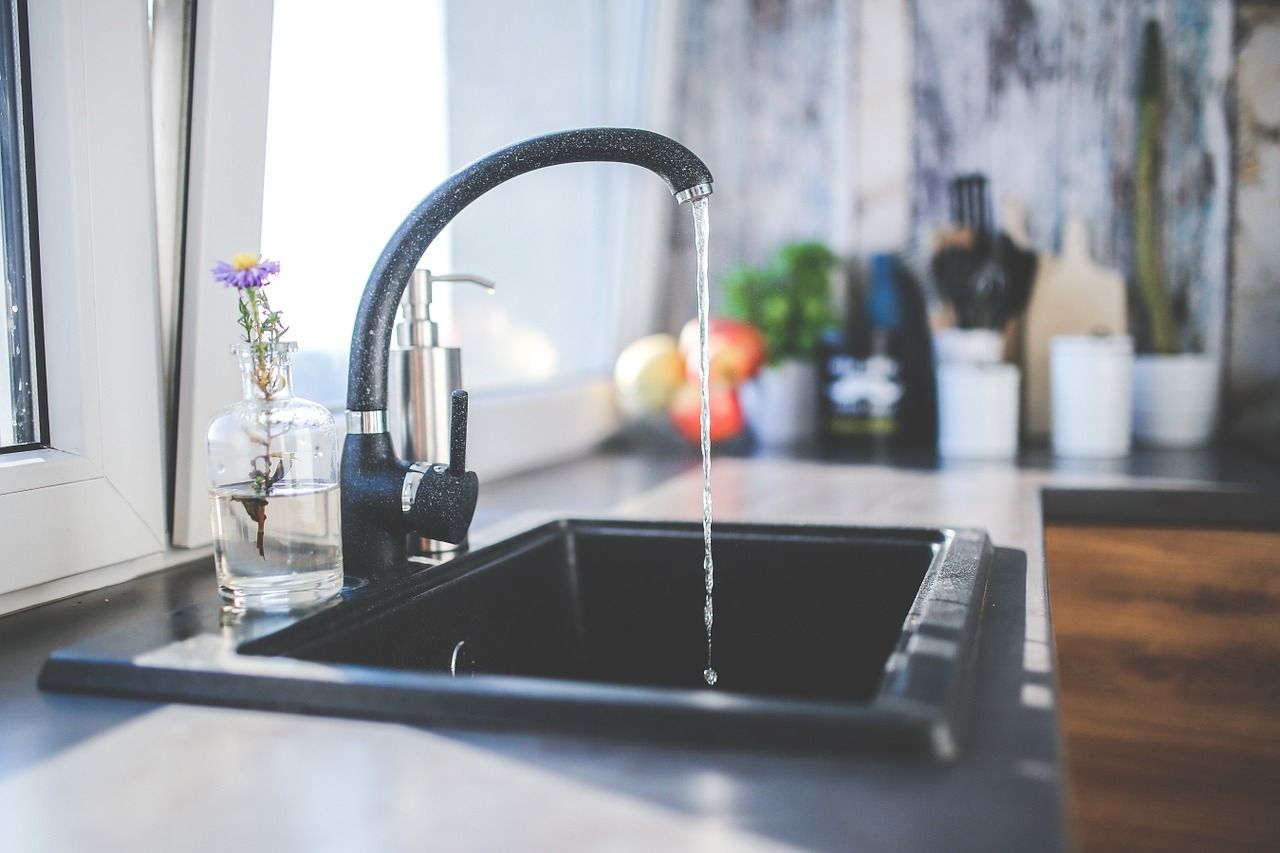
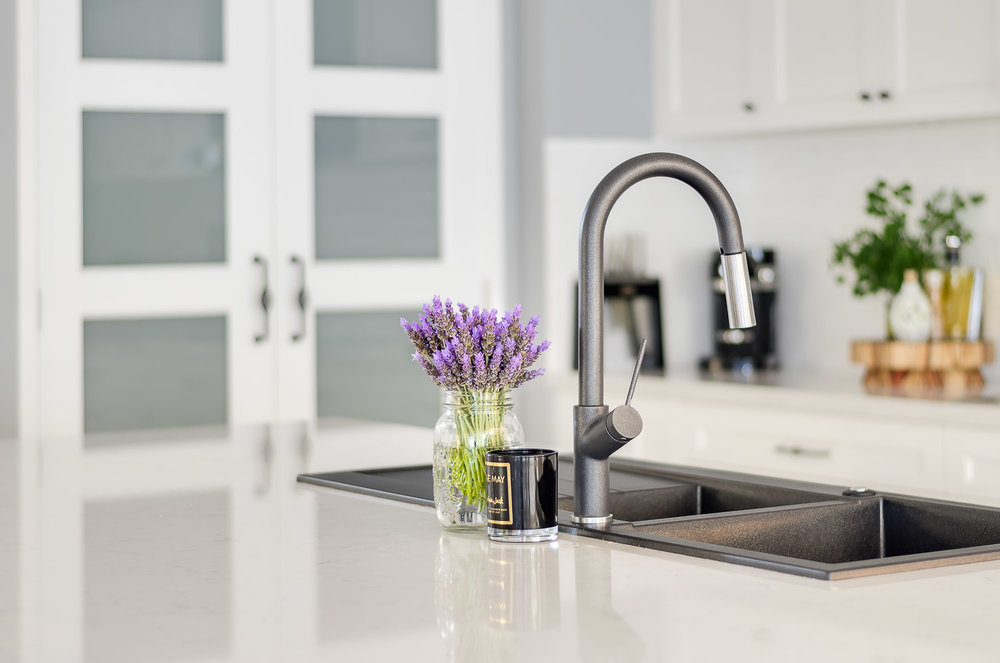
Because we are used to seeing chrome or metallic finishes on tapware, we find ourselves stopping to observe black tapware because it is more distinctive and streamlined than the prior mixer and hob-mounted tap designs. Black tapware lends a more modern air to bathrooms and kitchens. It’s a trend that instantly revitalizes a dreary environment.

It complements a broad variety of bathroom and kitchen color schemes and is quite versatile.

Nowadays, the majority of bathrooms and kitchens are constructed using a neutral color palette to ensure that the style and design will last for years to come. When paired with black faucets, these neutral hues look fantastic. 

The majority of neutral color schemes benefit from the addition of black since it successfully contrasts or compliments them. The most tempting feature of incorporating black tapware into a neutral-colored space is that it will stand out, and the tapware itself may become a focal point of your kitchen and/or bathroom decor.

It comes at a fair price.

In comparison to chrome mixer taps, black mixer taps are less expensive. In comparison to less expensive mixers on the market, more expensive black tapware will have a better quality finish and a longer warranty on the hardware included therein.

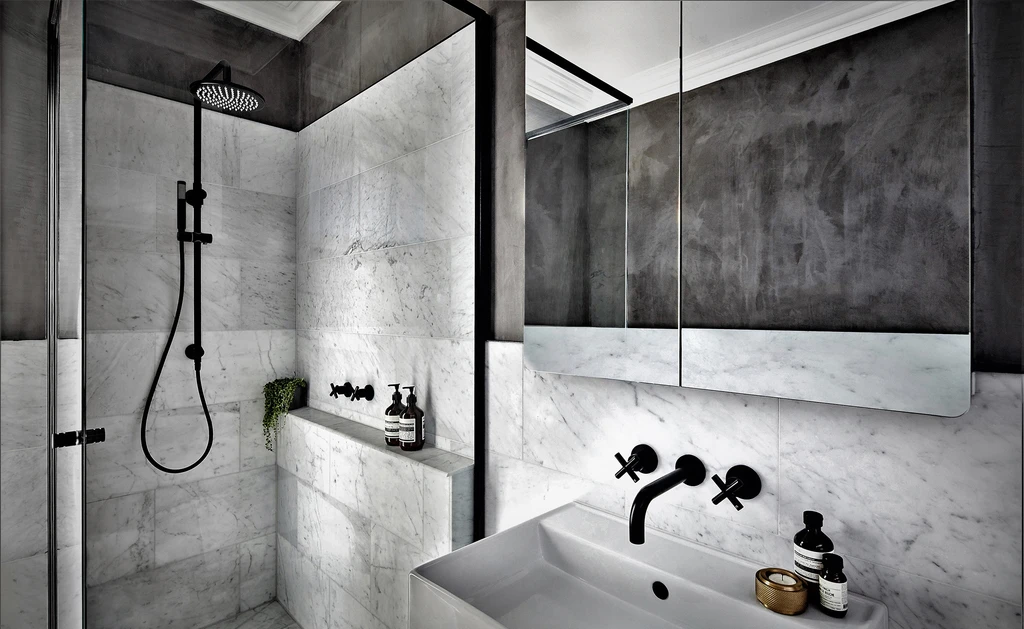
When used with natural materials such as stone, marble, and wood, it creates a magnificent effect.

Natural materials have grown in popularity in recent years for usage in bathrooms and kitchens. When coupled with black tapware, these materials look amazing. Indeed, they have a clean, modern look that will never date.

Placing an order is a rather straightforward procedure.

While other faucet finishes – such as vibrant colors or specialist metallic finishes – are more difficult to locate and purchase, black tapware is readily available. Due to its ubiquitous availability, ordering or purchasing it is straightforward at the majority of plumbing supply stores.

It complements a broad variety of interior design styles.

Black tapware may be used in a wide range of home design schemes. Although it is most often seen in modern and contemporary settings, it has been successfully used in traditional and country-styled areas as well. It all comes down to matching the mixer shape to the interior design plan.

Fingerprints will be less visible than they are on chrome.

When compared to chrome faucets, matte black faucets may seem to have less visible fingerprints. To ensure durability and resistance to marks and scratches, the majority of black tapware is electroplated. Regardless of its shine, the tapware is still subject to damage if not properly maintained.

Now, let us consider the drawbacks of black tapware.

It will ultimately cease to exist.

Your black taps’ color will fade with time, regardless of how well they are maintained in terms of quality. This is something you should leave to the plumber since they will be the ones to replace it if the color has faded or it seems to be more grey than black.

After each wash, cleaning your black tapware with a washer or microfiber cloth is the most efficient method to keep it looking fresh. This may be annoying, but I can promise you that it will assist in maintaining the look of your black tapware for an extended length of time.

It is conceivable that it will sustain damage prior to installation.

Despite the fact that the black coating is resistant to scratching, the tap will be scratched during installation by the basic plumbing tools needed to secure the tap in place. When installing black tapware, your plumber will need to take additional care to avoid dents or scratches produced by multi-grips or floor impressions. A piece of fabric should be wrapped around the mixer to protect the surface of the tap from being scratched by the teeth of the instruments.

How do you choose faucets and basins that complement one another?

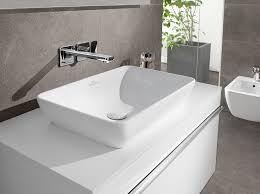
A free-standing basin will need either a wall-mounted faucet set or a high-rise/vessel on the stove (deck). A wall-mounted tapware set may be a great way to make more space on your vanity benchtop.

Take into account the spout length of the tapware you’ve selected in proportion to the basin’s size. Water may splash out of the basin if the spout is either too long or too short. In an ideal world, water would be diverted into the waste/drain.

Consider the size of the basin and tapware, or even better, combine them to ensure they are proportionately sized to match.

Cleaning it with chemicals or wax-based cleaners will be ineffective.

The critical point to remember here is to NEVER use ANY kind of cleaner on black faucets. This is particularly true with matte black faucets. Thoroughly clean and dry the tapware with mild soapy water to ensure that the water leaves no stains on the outside surface.

On this surface, dust and makeup powder will be apparent.

Even though it seems absurd, I’ve seen this on numerous older black-style tapware pieces. If you apply powdered makeup in the bathroom, some of the powder may fall on your faucets, causing them to seem murky after the powder is wiped away. Always have a microfiber towel on hand to wipe away any collected dust or make-up powder particles.

There are other factors to consider when selecting a finish for your tapware, but the drawbacks of black tapware should not prevent you from installing them if you genuinely like the look and are ready to invest the time and work necessary to maintain them. Click here to read about The appropriate tapware for your bathroom will nicely connect the whole area together!.

The appropriate tapware for your bathroom will nicely connect the whole area together!

The appropriate tapware for your bathroom will nicely connect the whole area together!

Despite the fact that tapware is one of the more minor characteristics present in a bathroom, it is impossible to deny that it has evolved into something of an architectural feature in the home. As a result, which bathroom faucets are the most appropriate for the requirements of your home? During the last stages of finishing your bathroom, we’ll go over some of the traits to look for in faucets and other tapware to ensure that your bathroom looks its best.

Determine which types of faucets will function best in your ideal location.

In order to achieve your ideal bathroom tapware, it is critical to select tapware that is complementary to the overall design of the room. A conventional and classic design could be more your taste, while a sleek and contemporary design might be your preference.

The table is tapped with the help of three parts.

For those who want a more traditional style of décor in their bathroom, a set of three-piece taps is an excellent choice. With a separate spout, this form of tapware is quite versatile and may be utilized in a variety of applications, such as showers, bathtubs, and sinks, to name a few examples. Despite the fact that they are considered to be the more traditional choice of tapware, these faucets are available in a broad selection of colors and designs, ensuring that there is something to match every kind of bathroom décor preference.

Take into consideration the fact that, whether you are remodeling or starting from scratch, your choice of tapware will be influenced by your financial constraints. The ability to select one’s own tapware has become increasingly important as a result of the addition of additional living spaces. If you are renovating an existing space, you will almost probably be required to use the same kind of faucets that were originally installed in the room, unless you have a special arrangement with the building owner.

By pushing a button, the mixer is brought to life.

When it comes to giving your bathroom a sleek and modern look, using a mixer tap is a fantastic method to do so. It is available in a variety of various styles and colors to choose from. If you have a basin mixer tap or shower mixer tapware, you can control the flow of both hot and cold water with a single lever, which is quite convenient. Mixer taps with a single handle are easy to operate, and by rotating the handle just a little bit more, you can discover the optimum temperature of the water.

In terms of installation, both the three-piece faucet and the mixer faucet are extremely versatile, with the latter being able to be mounted either directly on the wall or above the stovetop, depending on your preference. That way, you may choose a design that you like while also making sure it complements your sink, bath, or shower.

When everything has been put together, the final touch is added to make it seem complete.

In that case, which finish would be the most appropriate for your three-piece or mixer faucet? Fortunately, each of these tap types is available in a variety of finishes, allowing you to completely personalize your tapware to match the overall design aesthetic of your bathroom space.

There is tapware in the color of black that is accessible.

As a result, black tapware has risen to become one of the most popular bathroom fads in recent years, and it’s easy to understand why. Making the decision to install dark-colored tapware in your bathroom not only creates a dramatic point of contrast to the area but also provides a very clean finish to the space. Because this trend is not going away anytime soon, it is now imperative that you replace your bathroom faucets with black ones if you want to create a stunning and modern bathroom environment.

Nickel faucets, also known as brushed nickel faucets, are a type of faucet that is made of nickel and has a brushed nickel finish.

The use of brushed nickel tapware, which adds a contemporary twist to classic chrome, is an excellent option when it comes to bringing traditional silver tapware into the modern bathroom. For those seeking to create a neutral and harmonious environment, matte chrome is a fantastic choice, since it can be used to complement a wide range of color schemes and is quite adaptable. Take into consideration this brushed bath tapware for your bathroom space!

It is possible to purchase gold faucets and other gold accessories.

It has become increasingly common for people to treat their bathroom taps as decorative items in recent years, with the items being used not only for their intended purpose but also to complement and enhance the overall appearance of the space. After all, what better way to complete your fantasy bathroom than by adorning it with gold faucets and other fixtures? As a result of their expertise in the technique of gold-plating bathroom faucets, Phoenix is now able to offer a wide variety of styles in this stunning shade of gold.

Brass faucets and tapware are available to buy.

In terms of appearance and feel, it’s a relatively new variation on the gold tapware design that’s becoming increasingly popular, but it’s very similar to the gold style in terms of appearance and feel. If you want to add a touch of warmth to your bathroom, consider changing the finish of your bathroom taps from chrome to brass instead. This finish also serves as a wonderful point of distinction in your bathroom, which will undoubtedly improve the general appearance of the area.

The team at Tile and Bath Co has done an incredible job of bringing this finish to life, and if you’re interested in it, they have a variety of sink, bath, and shower taps available for you to choose from.

While the appearance and finish of your tapware are important factors to consider when selecting your tapware, it is also critical to consider the functionality of your faucet when selecting your faucet. Many different manufacturers now provide excellent water-saving faucets that not only help you save water but also save you money on your water and power bills! The WELS rating of a product should be looked for when seeking water-saving solutions – this shows how effectively the product conserves water. Generally speaking, the greater the number of stars, the greater the efficiency of the water distribution system. You can read about The Advantages and Disadvantages of Black Tapware by visiting http://airdriepaintanddecor.com/the-advantages-and-disadvantages-of-black-tapware/