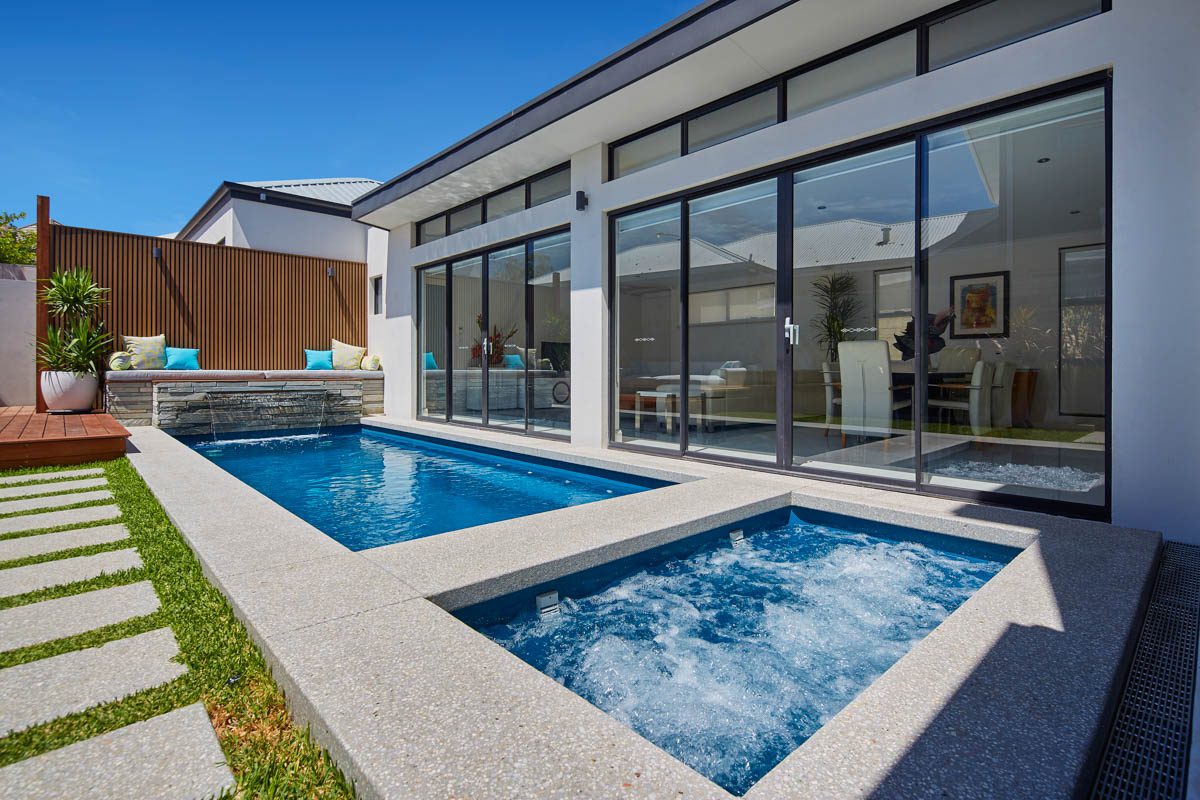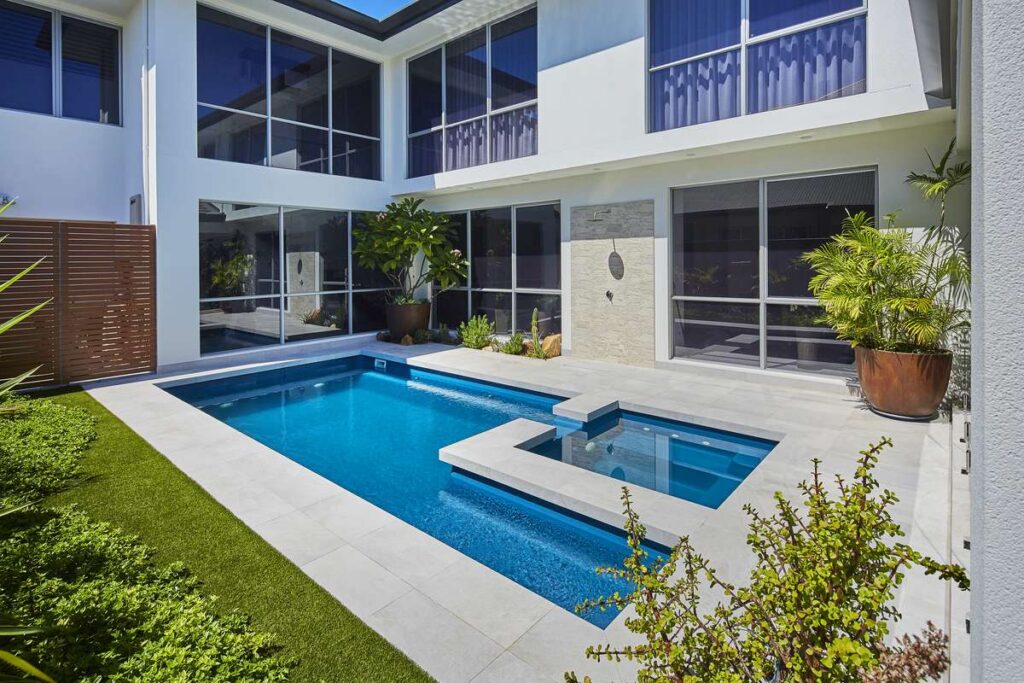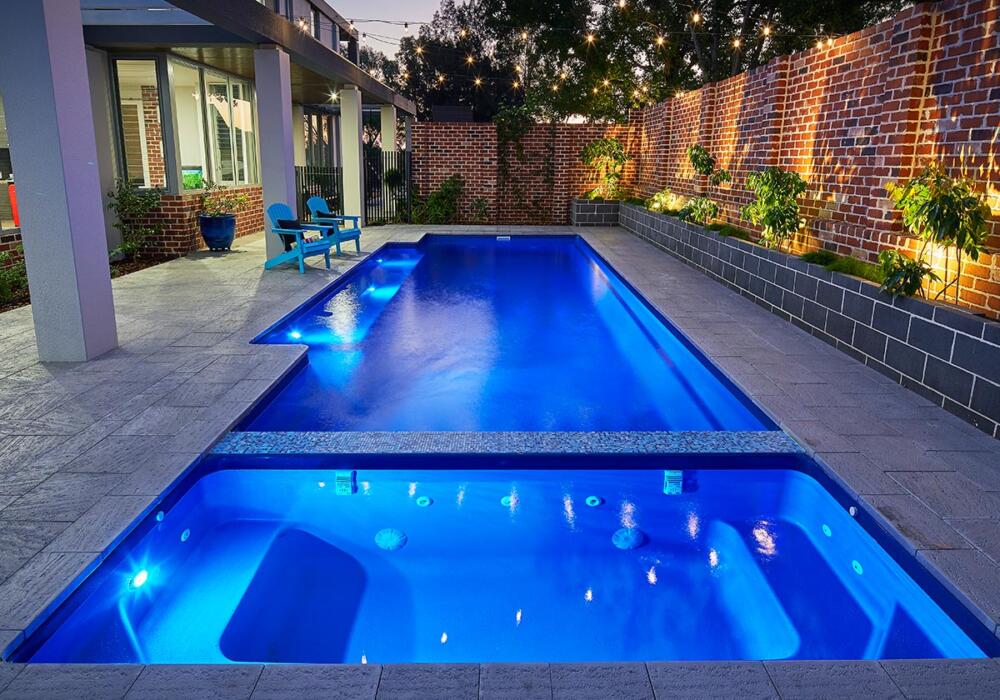
Pool Resurfacing Quote

Top 10 Things Construction Site Managers and Builders Should Know About Pool Resurfacing Quote

This guide covers the ten most practical checks they can apply before they sign off, schedule trades, or brief clients on outcomes.

What exactly does a pool resurfacing quote include (and exclude)?

A pool resurfacing quote should clearly state the surface system, preparation method, and the exact extent of works. If it is vague, it is not comparable across bidders.

They should confirm inclusions such as surface removal, crack treatment, bond coats, materials, labour, curing, cleanup, and start to finish duration. Exclusions matter just as much, especially water cartage, power, access, paving removal, and post fill chemical balancing.

How should they read the pool’s surface condition before requesting pricing?

They should treat the pool like a small structure, not just a cosmetic finish. A pool resurfacing quote is only as accurate as the condition information behind it.

Key observations include hollow sounding areas, delamination, visible crazing, rust staining, movement cracks, and loose coping. If they can, they should document with photos, measurements, and a brief history of leaks or prior repairs so pricing is based on facts, not guesswork.

Which resurfacing system should they specify for Australian conditions?

They should specify the system that matches the pool type, exposure, and client expectations, then ensure the pool resurfacing quote names that system. In Australia, the common options are marblesheen or quartz aggregate, tile and waterproofing renewals, and painted systems for budget jobs.

Salt pools, high UV exposure, and coastal air can punish lower grade coatings. If the client wants longevity, the finish selection should be made first, then the quote should follow.

What site access details can change the quote fastest?

Access constraints can move a pool resurfacing quote more than many builders expect. The job may need demolition skips, wheelbarrows, pumps, hoses, and sometimes small plant, and all of that needs a path.

They should confirm gate width, steps, slope, fragile landscaping, driveway loading limits, and whether materials must be carried through the home. If there is limited access in inner Sydney, Melbourne, or Brisbane suburbs, they should expect labour allowances and protection measures to increase.

How do demolition and preparation methods affect price and risk?

Preparation is where quality is won or lost, so they should check how the pool resurfacing quote describes removal and profiling. Light acid wash pricing is not comparable with full mechanical removal of a failing surface.

They should look for specific steps such as chipping out drummy areas, grinding, pressure washing, and bond coat application. If the quote is silent on prep, it can become a variation later, or worse, a premature failure with a dispute about responsibility.
Pool Resurfacing Quote

When do structural cracks, movement, and leaks become a different scope?

Resurfacing is not a structural fix, and a pool resurfacing quote should not pretend it is. If there are movement cracks, ongoing leaks, or signs of shell movement, they should involve a pool engineer or experienced specialist, including trusted swimming pool builders Newcastle, before they lock in a finish date.

They should also confirm whether crack repairs are cosmetic, epoxy injection, flexible jointing, or full remediation. If the pool is losing water, resurfacing can hide symptoms and delay proper rectification, increasing risk at handover.

What sequencing and curing time should they build into the programme?

They should schedule resurfacing like a critical path activity, because curing and refilling are time bound. A realistic pool resurfacing quote should state the number of days for prep, application, cure, fill, and initial balancing.

Weather also matters, especially in Victoria, Tasmania, and the ACT where cold snaps affect cure, and in Queensland where storms disrupt access and drying. They should require a clear timeline and identify who supplies water, who pays for it, and when other trades can return.

Who is responsible for water quality, chemical balancing, and client instructions?

Water chemistry can make a fresh finish look patchy fast, so they should clarify post works responsibilities in the pool resurfacing quote. Many resurfacing teams will fill and leave, while the client expects a swim ready pool.

They should confirm who does initial brush down, startup procedure, and chemical balancing in the first week. They should also ensure the client receives written care instructions, especially for new aggregate interiors where brushing schedules and acid demand are higher early on.
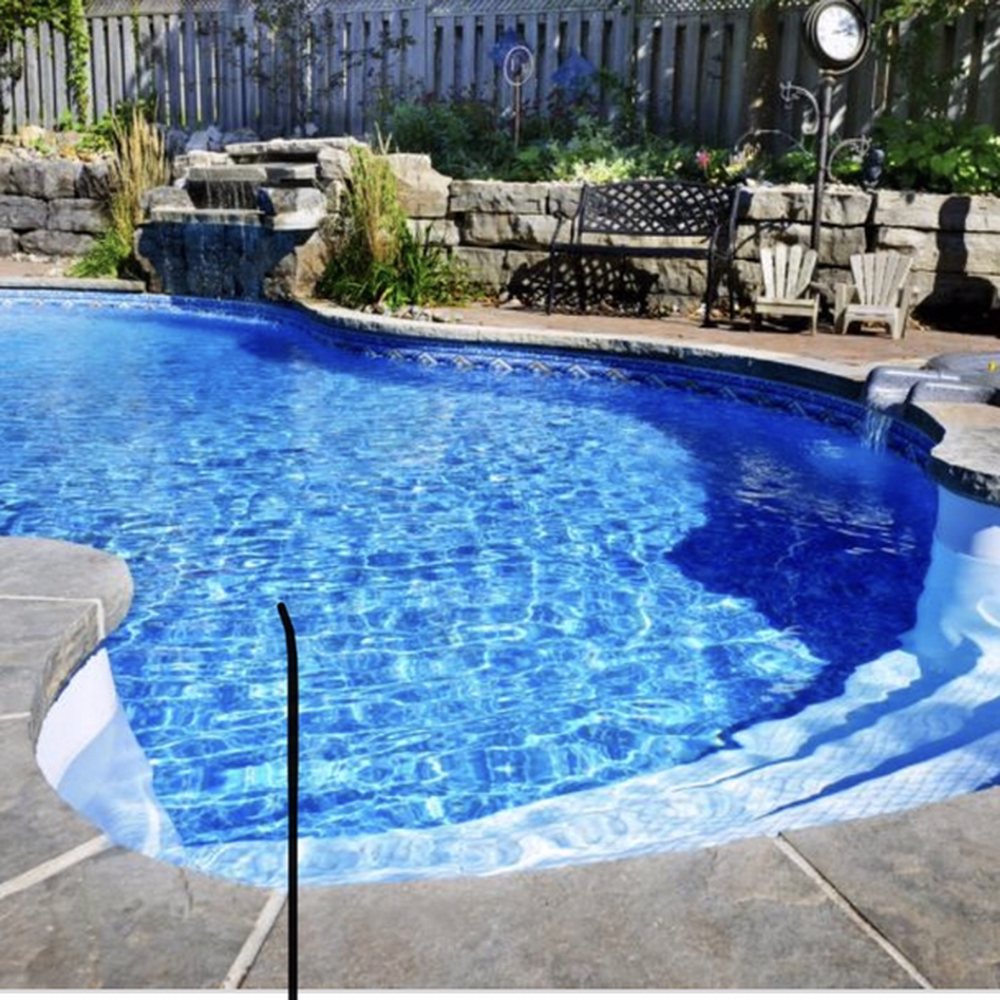
Pool Resurfacing Quote

What warranties, workmanship standards, and documentation should they demand?

They should treat resurfacing like any other finishing trade and demand documentation. A strong pool resurfacing quote should include warranty length, what voids it, and how defects are assessed.

They should request product data sheets, batch records where available, and a clear defects liability process. If the project is part of a new build or major renovation, they should also align the resurfacing warranty with the broader building contract expectations to avoid grey areas.

How can they compare multiple quotes without getting caught by allowances and exclusions?

They should compare quotes line by line, not total price alone, and require each bidder to price the same scope. A comparable pool resurfacing quote set should use the same finish, same prep standard, and the same responsibilities for water, access, and cleanup.

They should watch for provisional sums on crack repairs, disposal, and surface removal depth. If they need certainty, they should request a site inspection and a fixed scope with capped variations, then document any assumptions in writing before award.

What should they do next before approving the work?

They should convert the quote into a short scope checklist and confirm sequencing with the rest of the site plan. If a pool resurfacing quote is missing details, they should ask for an updated version rather than rely on emails and verbal notes.

A simple prestart pack helps: photos, access plan, finish selection, timeline, water and power responsibilities, and client care instructions. When those are clear, they reduce variations, protect programme, and improve the final presentation at handover.

<script type="application/ld+json">
{
  "@context": "https://schema.org",
  "@type": "BlogPosting",
  "mainEntityOfPage": {
    "@type": "WebPage",
    "@id": "https://airdriepaintanddecor.com/top-10-things-construction-site-managers-and-builders-should-know-about-pool-resurfacing-quote/"
  },
  "headline": "Top 10 Things Construction Site Managers and Builders Should Know About Pool Resurfacing Quote",
  "image": [
    "https://airdriepaintanddecor.com/wp-content/uploads/2026/08/1000s-3.jpg",
    "https://airdriepaintanddecor.com/wp-content/uploads/2026/08/Why-Early-Leak-Detection-Saves-Money-1.webp",
    "https://airdriepaintanddecor.com/wp-content/uploads/2026/08/image-2-700x550-700x550-1.jpeg"
  ],  
  "author": {
    "@type": "",
    "name": "Mitchell Sternberg",
    "url": "https://airdriepaintanddecor.com/author/admin/"
  },  
  "publisher": {
    "@type": "Organization",
    "name": "Airdrie Tile Paint and Decor",
    "logo": {
      "@type": "ImageObject",
      "url": "https://airdriepaintanddecor.com/wp-content/uploads/2021/12/445.png"
    }
  },
  "datePublished": ""
}
</script>
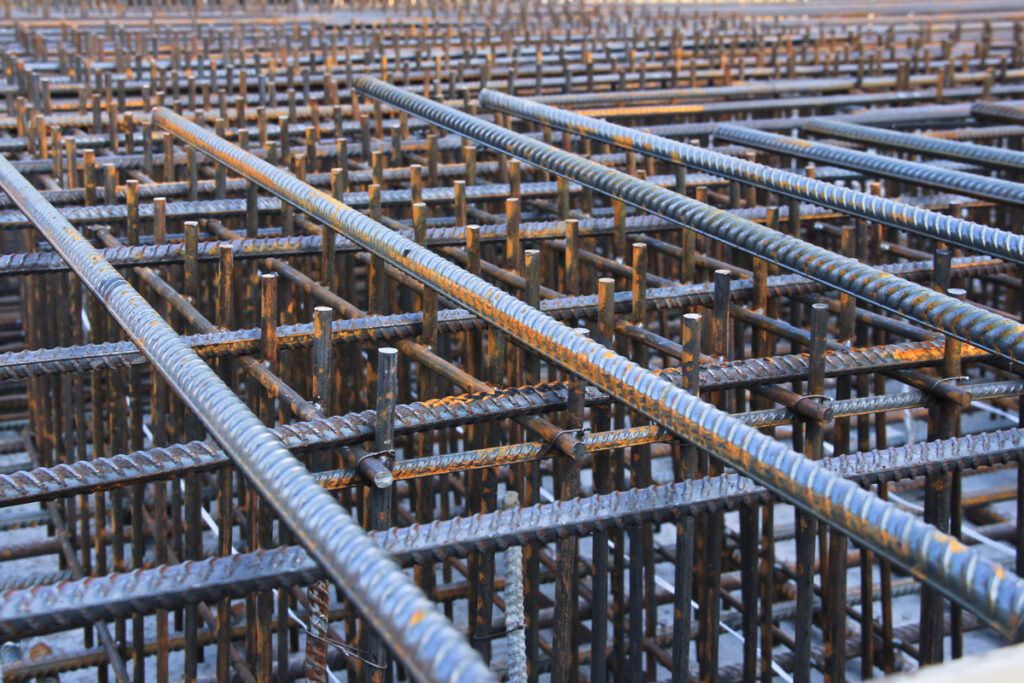
Reobar Ideas

7 Reobar Ideas Worth Considering for Construction Site Managers and Builders

What should they standardise first when specifying reobar?

They should standardise bar sizes, grades, bends, and lap rules across typical details so procurement and fixing stay predictable. Standardisation reduces RFIs, minimises offcuts, and makes substitutions less risky when supply changes.

On Australian sites, they can align bar grades and mesh specifications with their engineer’s design and relevant Australian Standards. A simple internal schedule for common elements like slabs, footings, and walls helps keep reobar specifications consistent from tender through to construction.

How can they reduce waste and offcuts with reobar planning?

They can reduce waste by planning cut lengths early, coordinating bar lists with formwork set outs, and avoiding unnecessary variations. Waste often comes from late design changes, unclear lap requirements, or bar lengths that do not suit transport and handling.

Many teams do better when they review a preliminary bar bending schedule before fabrication starts. By treating reobar optimisation as a prestart task, they can lower scrap, reduce clutter in laydown areas, and cut time spent sorting bundles during peak pours.

Why should they consider prefabricated reobar cages for repetitive elements?

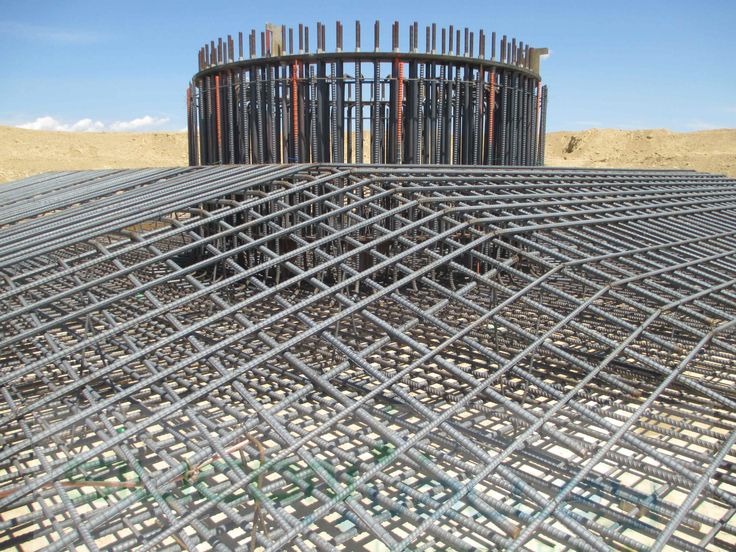
They should consider prefabricated cages when elements repeat, such as columns, piers, pads, and beams. Prefabrication can improve consistency, cut tying time, and reduce congestion in tight work zones.

In Australia, where weather and labour availability can shift weekly output, prefabricated reobar cages can stabilise production rates. They also help supervisors measure progress more clearly because the work is packaged into deliverable units that are easy to count and inspect.

When does epoxy coated or galvanised reobar make sense on Australian sites?

It makes sense when corrosion risk is high, such as coastal projects, marine structures, or assets exposed to deicing salts and aggressive environments. The decision should come from the project’s durability design and the engineer’s requirements, not a generic upgrade.

For many Australian builders, durability is a whole of life cost issue. Where specified, coated reobar must be handled correctly to avoid damaging the coating, and fixing practices should suit the system so the corrosion protection benefit is not compromised.

Reobar Ideas

How can they use reobar couplers to speed up fixing and reduce congestion?

They can use couplers to reduce lap lengths, improve buildability in heavily reinforced zones, and make connections cleaner around penetrations and starter bars. Couplers also help when they need staged pours or when bar continuity is difficult to achieve with traditional laps. Alongside these structural solutions, Construction Site Mesh Fencing can help improve site organisation, safety, and access control during active building projects.

On multi storey builds in Sydney, Melbourne, Brisbane, and Perth, couplers can simplify vertical bar continuity and reduce steel crowding at joints. If they adopt couplers, they should ensure the selected reobar coupler system is approved by the engineer and installed to the manufacturer’s instructions.

What role does reobar delivery sequencing play in keeping pours on programme?

It plays a major role because poor sequencing leads to double handling, missing bars, and time lost hunting for the right bundle. They can improve reliability by matching deliveries to pour zones, dates, and lift plans, and by confirming access constraints for trucks and cranes.

Many Australian projects benefit from a simple rule: deliver reobar in the order it will be fixed, labelled by grid and level. With clear bundle IDs and a laydown map, they reduce site traffic, speed up inspections, and lower the risk of incorrect bar placement.

Reobar Ideas

How should they manage reobar quality, compliance, and traceability?

They should manage compliance through documentation, inspection hold points, and clear acceptance criteria before concrete is placed. Traceability matters because it supports defect prevention and simplifies responses to audits or engineering queries.

On Australian sites, they can request mill certificates, confirm bar tags match bar schedules, and keep records linked to pour numbers. Good traceability also protects them when reobar substitutions occur due to supply constraints, since approvals can be tracked and verified without delays.

What is a practical way they can trial these reobar ideas without disrupting delivery?

They can trial one idea on a single repetitive scope, measure outcomes, then scale what works. A contained trial might be prefabricated cages for a set of columns, couplers for one lift, or delivery sequencing for one slab zone.

If they keep the trial small and documented, they can compare labour hours, defects, and programme impact. That evidence helps them decide which reobar changes are worth standardising across future Australian projects.

Which reobar idea tends to deliver the fastest on site wins?

Delivery sequencing and standardisation tend to deliver the fastest wins because they require minimal design change and can be implemented with existing suppliers. When they get bundles labelled correctly and matched to the pour plan, crews spend more time fixing and less time searching.

Once those basics are stable, prefabrication and couplers can add the next layer of productivity. In most cases, a simple, repeatable approach to reobar planning is what keeps concrete days predictable and reduces rework.

Pool Builders

Pool Builders Newcastle: What Construction Site Managers and Builders Need to Know in 2026

This guide explains what site teams should coordinate early, what typically causes delays, and how to manage interfaces with trades, certifiers, and clients when working with Pool Builders Newcastle.

What’s different about pool delivery in Newcastle builds in 2026?

In 2026, working with experienced pool builders Newcastle homeowners trust is more integrated with the overall construction program, not a bolt-on after landscaping. Site managers benefit when the pool scope is locked early, because access, levels, drainage, and service corridors often conflict with the main build.

Many Pool Builders Newcastle now expect earlier design confirmations, clearer responsibility boundaries, and documented approvals before excavation and shell works commence.

When should builders engage Pool Builders Newcastle on a project program?

They should be engaged as soon as site levels, house footprint, and setback constraints are known, ideally before finalising external works and service routes. Early engagement reduces redesign and prevents clashes with retaining, stormwater, and piering.

If they bring Pool Builders Newcastle in after slab and boundary works, access can be compromised and costs rise due to restricted machinery, extra spoil handling, or redesign of falls and drainage.

Which approvals and standards usually drive the critical path?

The critical path commonly includes development approval conditions (where applicable), engineering details, and barrier compliance certification. NSW pool barrier requirements still drive final occupation readiness because the pool area must meet the rules before it can be used.

Teams working with Pool Builders Newcastle should also factor in sediment control, stormwater connections, and any easements that affect excavation or pipe runs.

Who owns levels, set-out, and boundary risk on a pool job?

They need this agreed in writing before set-out begins, because level ownership is where disputes start. Builders often control finished floor levels and external falls, while pool teams control shell levels and coping interface, but the boundary can blur fast.

With Pool Builders Newcastle, site managers should confirm survey marks, boundary offsets, and nominated datum points, then document responsibility for any redesign if benchmarks are wrong.

What should be coordinated before excavation starts?

Before excavation, they should confirm access widths, overhead hazards, spoil stockpile locations, and plant pathways that will not damage new driveways or services. They also need dial-before-you-dig checks and on-site verification of private services.

Most Pool Builders Newcastle will ask for confirmation of pier locations, drainage lines, and retaining structures, because these can affect excavation batter, shoring, and shell engineering.

How do weather, soil, and groundwater affect pools around Newcastle?

Local conditions vary from coastal sandier profiles to heavier clays inland, and some blocks present groundwater or seepage risks after rainfall. These conditions influence dewatering plans, base preparation, and concrete scheduling.

When they plan with Pool Builders Newcastle, it helps to allow float for rain events and to confirm geotech assumptions, because reactive clay movement and water ingress can affect structural performance and finishes.

What are the most common interface clashes with other trades?

The frequent clashes are with stormwater plumbing, electrical conduits, fencing, and landscaping walls. Pool hydraulics can conflict with downpipes and ag lines, while equipment pad placement can interfere with external AC units or future decks.

Good Pool Builders Newcastle coordination includes service corridor drawings, agreed equipment pad location, and a clear sequence for concreting, tiling, fencing, and final electrical compliance.

How should they manage equipment pad location and acoustic expectations?

They should select a pad location that supports hydraulics runs, safe access, drainage away from the house, and separation from bedroom windows where possible. Noise complaints often arise when pumps face neighbouring living areas or sit on resonant slabs.

Pool Builders

Many Pool Builders Newcastle can advise on variable-speed pumps and placement strategies, while providing guidance on factors that may influence a Pool Resurfacing Cost Estimate. However, site managers should still confirm clearances, ventilation, and a compliant electrical isolator location.

What construction sequencing reduces delays and rework?

They reduce delays by locking in sequence: excavation and shell, curing, waterproofing and tiling, coping, equipment install, pressure testing, then surrounds and fencing, then commissioning. Surrounds should not trap unfinished levels or force non-compliant barrier gaps.

When working with Pool Builders Newcastle, builders usually benefit from scheduling fencing earlier than they think, because barrier inspection and gate hardware issues can stall handover.

What should they check in contracts, scope, and exclusions?

They should confirm exactly what is included for spoil removal, rock excavation, dewatering, cranage, temporary fencing, and reinstatement of access routes. They should also check who supplies and installs boundary fencing if it forms part of the pool barrier.

Clear contracts with Pool Builders Newcastle also define who is responsible for power provision, water for testing, equipment commissioning, and ongoing chemical balancing after handover.

How can they control quality on waterproofing, tiling, and coping interfaces?

They control quality by requiring documented substrate prep, correct cure times, and consistent tolerances at interfaces, especially where coping meets alfresco slabs or decks. Minor lippage and poor falls can create trip risks and water pooling that clients notice immediately.

If Pool Builders Newcastle are using subcontract tilers, site teams should still request product data sheets, check movement joints, and confirm compatible sealants at junctions.

What does compliant pool fencing and barrier certification involve in NSW?

It involves meeting barrier height, non-climbable zones, gate self-closing and latching rules, and correct clearances under and around the fence. Certification is typically issued after installation and rectification of any defects found during inspection.

Builders coordinating with Pool Builders Newcastle should avoid last-minute fence changes, because altering fence lines can affect landscaping, falls, and gate swing clearances.

How should site managers handle variations and client expectations?

They should document decisions early and present variation impacts in time, cost, and program, not just cost. Clients often change tile selections, coping profiles, or lighting layouts late, and those changes can affect lead times and rough-in positions.

Working with Pool Builders Newcastle goes smoother when they set a selections deadline and require sign-off on a final schedule that includes skimmer type, returns, lights, and automation.

Pool Builders

What should be included in practical completion and handover for a pool?

Handover should include as-built hydraulic layout, equipment manuals, warranties, water test results, and commissioning records. They should also provide a simple maintenance briefing, plus who to call for warranty issues versus general servicing.

Most Pool Builders Newcastle will offer a startup procedure, but builders should ensure fencing certificates, electrical compliance, and any DA conditions are finalised before they schedule the client walkthrough.

How can builders choose the right pool builder partner in Newcastle?

They should look for clear documentation, predictable sequencing, and a willingness to coordinate with the broader build team, not just deliver the shell. The best partners provide upfront risk flags on access, levels, and soil, and they price allowances transparently.

When selecting Pool Builders Newcastle, site managers can ask for recent local references, example programs, and a checklist for pre-excavation requirements so the project starts cleanly.

What’s the simplest checklist to keep Pool Builders Newcastle on track?

They can keep it simple: confirm levels and survey, lock equipment pad location, freeze selections, confirm service corridors, schedule fencing early, and document responsibilities for spoil, rock, and dewatering. A short checklist prevents the most expensive surprises.

For smoother delivery with Pool Builders Newcastle, they should run a pre-start meeting that includes the builder, pool supervisor, plumber, electrician, and fencer, then issue written minutes the same day.

<script type="application/ld+json">
{
  "@context": "https://schema.org",
  "@type": "BlogPosting",
  "mainEntityOfPage": {
    "@type": "WebPage",
    "@id": "https://airdriepaintanddecor.com/pool-builders-newcastle-what-construction-site-managers-and-builders-need-to-know-in-2026/"
  },
  "headline": "Pool Builders Newcastle: What Construction Site Managers and Builders Need to Know in 2026",
  "image": [
    "https://airdriepaintanddecor.com/wp-content/uploads/2026/08/venice-pool-2-1-1000x700-1.jpg",
    "https://airdriepaintanddecor.com/wp-content/uploads/2026/08/manhattan-slimline-7-2m-royal-jade-shimmer-shelley-1.jpg",
    "https://airdriepaintanddecor.com/wp-content/uploads/2026/08/monaco-slimline-7.2m-royal-jade-churchlands-5-1024x683-1.jpg"
  ],  
  "author": {
    "@type": "",
    "name": "Mitchell Sternberg",
    "url": "https://airdriepaintanddecor.com/author/admin/"
  },  
  "publisher": {
    "@type": "Organization",
    "name": "Airdrie Tile Paint and Decor",
    "logo": {
      "@type": "ImageObject",
      "url": "https://airdriepaintanddecor.com/wp-content/uploads/2021/12/445.png"
    }
  },
  "datePublished": ""
}
</script>

Mesh Fencing

What Is Mesh Fencing? A Quick Guide for Construction Site Managers and Builders

This guide explains what it is, how it works on site, and what to check before they hire or buy it.

What is mesh fencing?

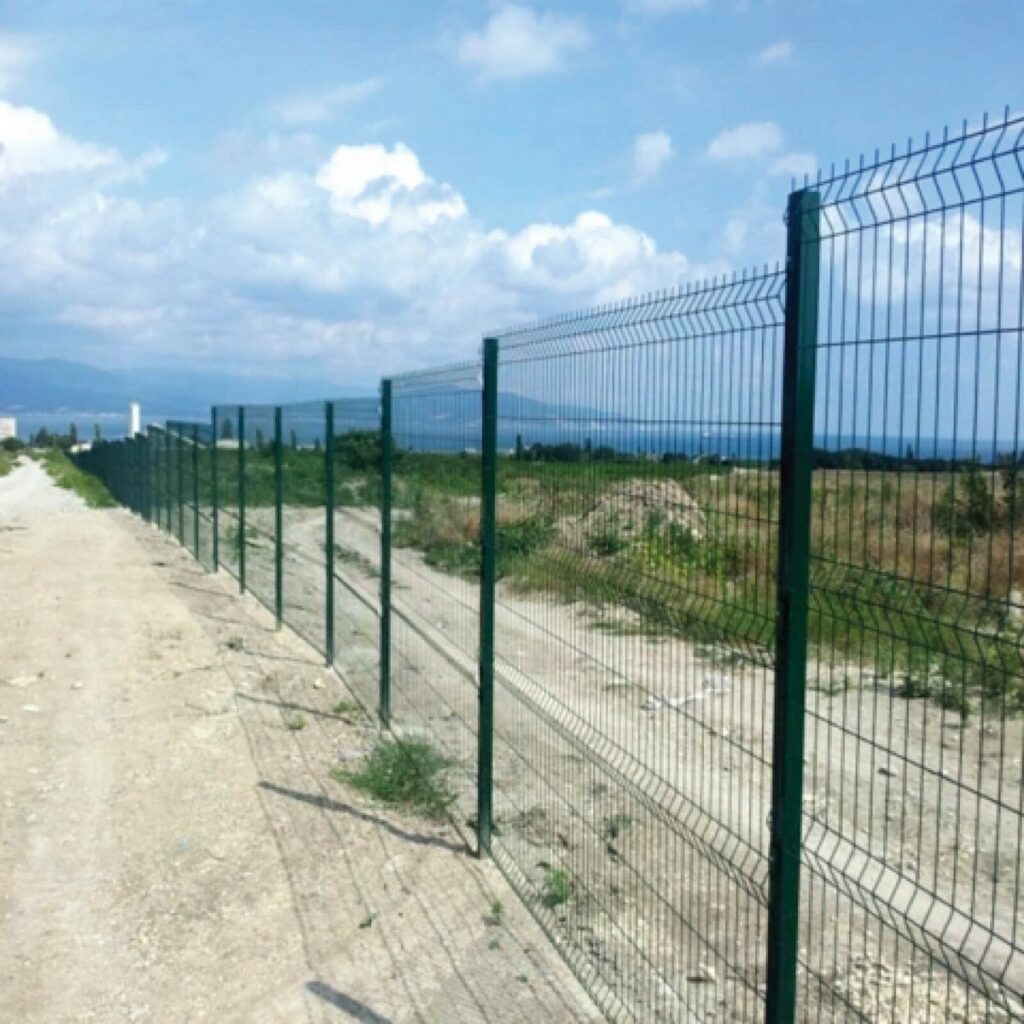
Mesh fencing is a fence system made from wire mesh panels or rolls that create a physical barrier while still allowing airflow and visibility. On Australian building sites, mesh fencing is commonly used to define work zones, restrict public access, and meet basic safety expectations during active works.

It is available as temporary panels, chain mesh rolls, or welded mesh sheets, depending on the job and the level of security needed.

Why do Australian construction sites use mesh fencing?

They use mesh fencing because it is fast to install, easy to move, and strong enough to deter casual entry without blocking sightlines. It also helps site teams keep pedestrians away from hazards while allowing supervisors to monitor activity from outside the boundary.

In busy areas like inner Brisbane or suburban Perth, visibility matters because it reduces surprise interactions at gates, driveways, and shared access points.

What are the main types of mesh fencing used on building sites?

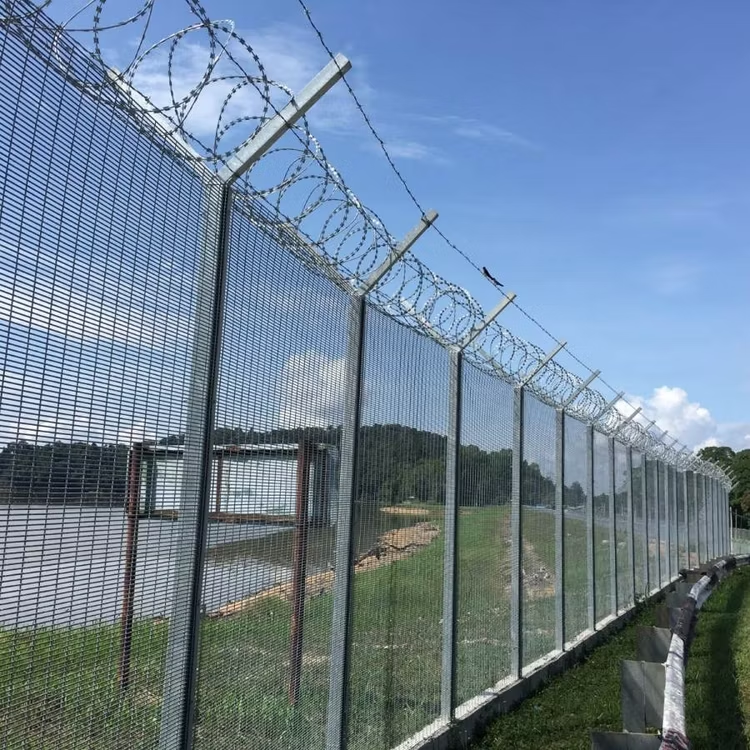
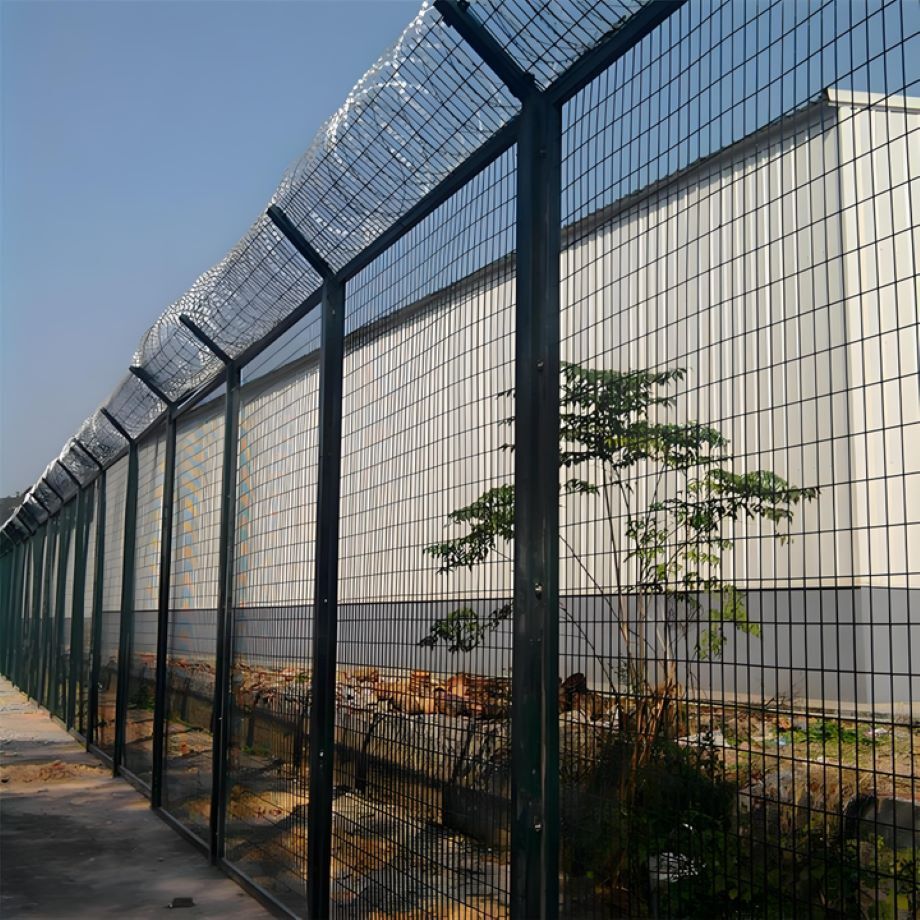
Most sites choose between temporary welded mesh panels, chain mesh fencing (often fixed to star pickets or posts), and higher-security anti-climb mesh. Mesh fencing selection usually comes down to how long the job runs, whether the boundary must be moved, and how likely the public is to test it.

For short projects, hire-panel systems are common. For longer builds, they may prefer a more robust installed mesh option.

How does temporary mesh fencing work?

Temporary mesh fencing typically uses galvanised mesh panels set into weighted feet, then joined with clamps. This makes it quick to set up along a boundary line and simple to adjust when site conditions change.

Many Australian hire companies also supply stabilisers, shade cloth, and lockable gates, so site teams can scale the setup without redesigning the whole perimeter.

When is mesh fencing better than solid hoarding?

Mesh fencing is often better when they need visibility, airflow, and a lower-cost boundary that can be relocated. Solid hoarding suits projects needing privacy, signage, dust control, or stronger visual separation, which is common on CBD footpaths and high-traffic retail strips.

If the main goal is safe separation and access control, mesh fencing is usually the more flexible choice.

What security level can mesh fencing realistically provide?

Mesh fencing provides a deterrent and a delay, not a guarantee. It helps prevent accidental entry and discourages opportunistic access, but determined intruders may still climb, cut, or move panels if the setup is weak.

They can lift security by using anti-climb mesh, adding bracing, anchoring feet, reducing gaps under panels, and installing lockable gates with consistent after-hours checks.

How is mesh fencing installed safely on an Australian construction site?

They should start by checking ground conditions, wind exposure, and the likely pedestrian flow around the boundary. A safe setup uses stable feet, secure clamps, and bracing where the run is long or exposed, especially on open sites in coastal areas where gusts are common.

They also need clear gate placement for plant movement, deliveries, and emergency access, so vehicles do not force panels out of alignment.

Mesh Fencing

What common mistakes cause mesh fencing to fail on site?

Most failures come from poor stability and poor planning rather than weak materials. A thorough Rebar Inspection for Construction Projects can help identify potential structural concerns early, while panels can topple if they are not braced, if feet sit on uneven fill, or if shade cloth is added without considering wind load.

Gaps are another issue. If there is space under the line, or if corners are not tied in properly, mesh fencing becomes easy to push aside, lift, or climb.

How can they improve safety and access control with mesh fencing?

They can improve outcomes by treating the fence line like a controlled system rather than a row of panels. That means placing gates where traffic actually flows, keeping walkways clear, and using signage that matches the risks present, such as “Construction site, keep out” and PPE requirements.

Mesh fencing also works well with designated entry points, visitor sign-in processes, and lighting near gates for early starts and winter afternoons.

What compliance and duty-of-care factors matter in Australia?

In Australia, they must meet their WHS duties by managing risks to workers and the public, including risks created by site access. While requirements vary by state and the nature of the work, mesh fencing is often used as part of a broader control plan to separate hazards and restrict entry.

They should align the fencing approach with their site-specific risk assessment, traffic plan, and any local council conditions that apply to the footpath or verge.

What should they look for when hiring or buying mesh fencing?

They should prioritise condition, fit-for-purpose hardware, and support from a supplier who understands construction timelines. Good mesh fencing panels are straight, clamps tighten properly, feet are not cracked, and gates latch cleanly without dragging.

If they are buying, galvanised finishes and consistent panel sizing matter. If they are hiring, delivery reliability, emergency replacements, and clear hire terms usually matter more than chasing the cheapest weekly rate.

How much does mesh fencing cost in Australia?

Costs depend on whether they hire or buy, the fence length, the project duration, delivery distance, and extras like gates, shade cloth, bracing, and concrete blocks. Metro sites in Sydney, Melbourne, and Adelaide often have competitive hire markets, while regional projects may pay more due to transport.

They should budget beyond panels alone, because the real cost often sits in gates, stabilisation, and reconfiguration during the build.

Mesh Fencing

How long can mesh fencing stay in place on a project?

Mesh fencing can stay in place for weeks or months, but only if it is maintained. Over time, sites change, ground gets cut, and weather shifts, which can introduce lean, gaps, and loose clamps.

They should schedule routine checks, especially after high winds or major deliveries, and they should reset feet and bracing whenever the fence line is moved.

What is the simplest checklist before they choose mesh fencing?

They can make the decision quickly by confirming the job’s boundary needs, public exposure, and access points. The right mesh fencing setup is the one that suits the risk level, not the one that looks most convenient on day one.

Here is a simple pre-start checklist they can use:

  • How long will the boundary stay in the same place?
  • Is anti-climb mesh needed due to public traffic or previous trespass?
  • How many vehicle and pedestrian gates are required?
  • Will shade cloth be added, and if so, how will wind be managed?
  • Who will inspect and maintain the fence line each week?

What should they remember about mesh fencing on Australian building sites?

Mesh fencing is a practical, widely used control that helps construction site managers and builders secure boundaries, guide access, and reduce public risk. It works best when they choose the right type, stabilise it for local conditions, and maintain it as the site evolves.

If their goal is a fast, visible, and adaptable perimeter, mesh fencing is usually the most efficient starting point for Australian construction projects.