What Is Mesh Fencing? A Quick Guide for Construction Site Managers and Builders
This guide explains what it is, how it works on site, and what to check before they hire or buy it.
What is mesh fencing?
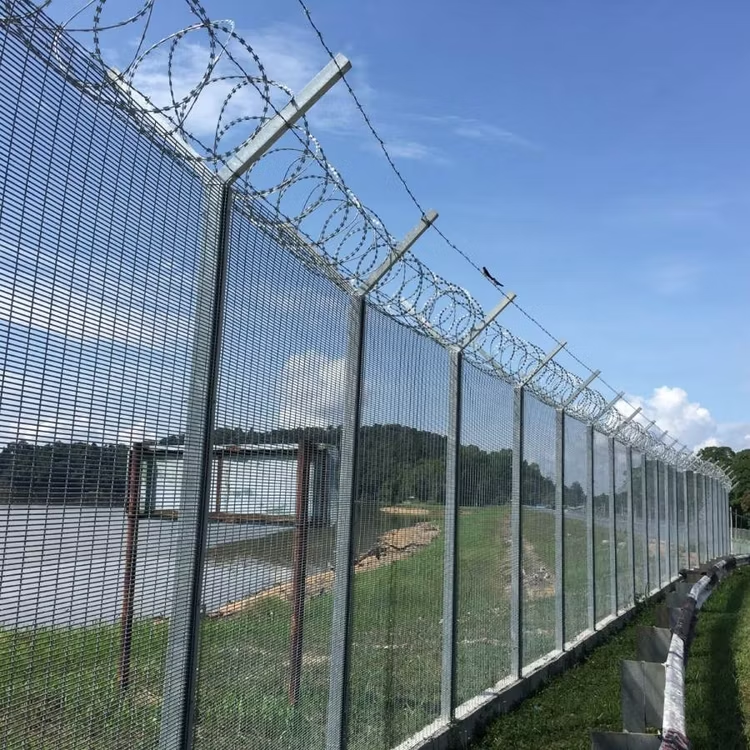
Mesh fencing is a fence system made from wire mesh panels or rolls that create a physical barrier while still allowing airflow and visibility. On Australian building sites, mesh fencing is commonly used to define work zones, restrict public access, and meet basic safety expectations during active works.
It is available as temporary panels, chain mesh rolls, or welded mesh sheets, depending on the job and the level of security needed.
Why do Australian construction sites use mesh fencing?
They use mesh fencing because it is fast to install, easy to move, and strong enough to deter casual entry without blocking sightlines. It also helps site teams keep pedestrians away from hazards while allowing supervisors to monitor activity from outside the boundary.
In busy areas like inner Brisbane or suburban Perth, visibility matters because it reduces surprise interactions at gates, driveways, and shared access points.
What are the main types of mesh fencing used on building sites?
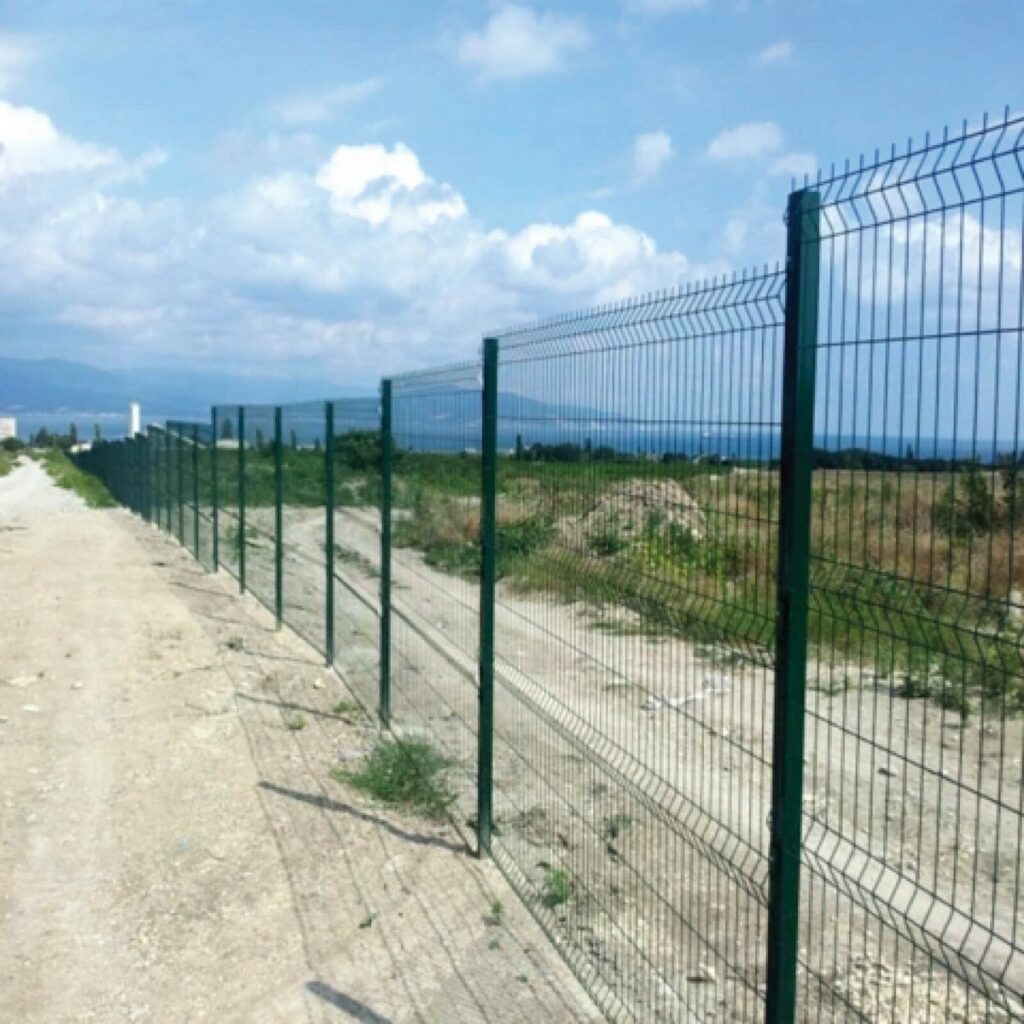
Most sites choose between temporary welded mesh panels, chain mesh fencing (often fixed to star pickets or posts), and higher-security anti-climb mesh. Mesh fencing selection usually comes down to how long the job runs, whether the boundary must be moved, and how likely the public is to test it.
For short projects, hire-panel systems are common. For longer builds, they may prefer a more robust installed mesh option.
How does temporary mesh fencing work?
Temporary mesh fencing typically uses galvanised mesh panels set into weighted feet, then joined with clamps. This makes it quick to set up along a boundary line and simple to adjust when site conditions change.
Many Australian hire companies also supply stabilisers, shade cloth, and lockable gates, so site teams can scale the setup without redesigning the whole perimeter.
When is mesh fencing better than solid hoarding?
Mesh fencing is often better when they need visibility, airflow, and a lower-cost boundary that can be relocated. Solid hoarding suits projects needing privacy, signage, dust control, or stronger visual separation, which is common on CBD footpaths and high-traffic retail strips.
If the main goal is safe separation and access control, mesh fencing is usually the more flexible choice.
What security level can mesh fencing realistically provide?
Mesh fencing provides a deterrent and a delay, not a guarantee. It helps prevent accidental entry and discourages opportunistic access, but determined intruders may still climb, cut, or move panels if the setup is weak.
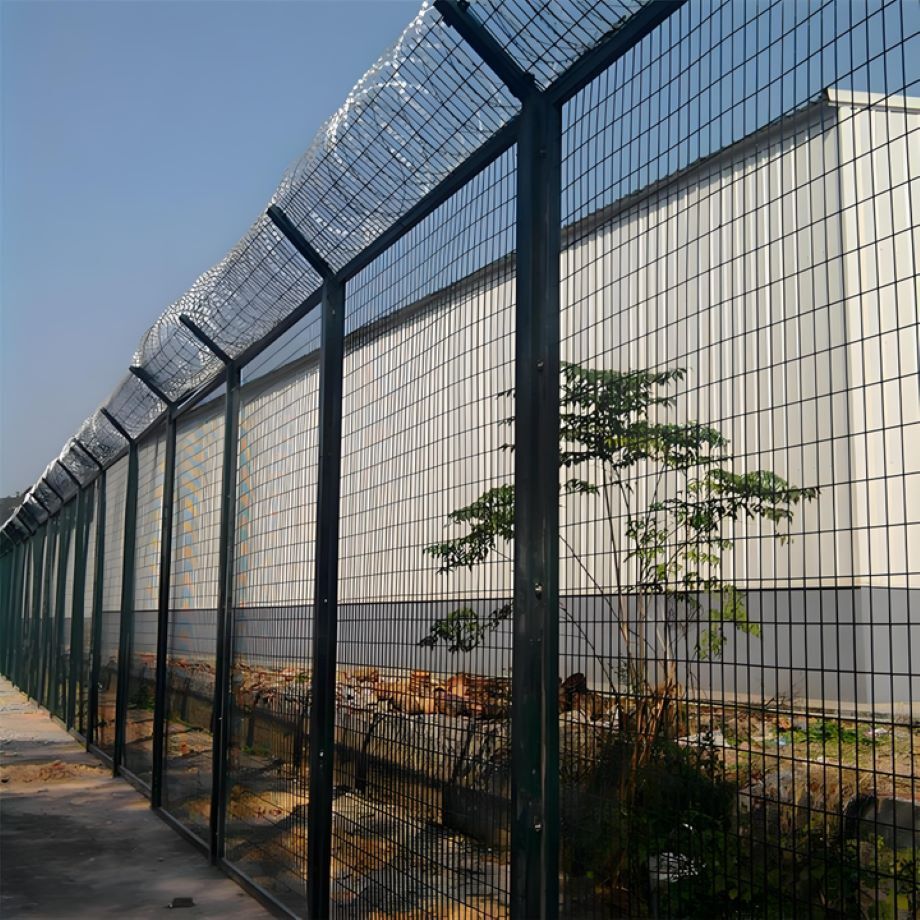
They can lift security by using anti-climb mesh, adding bracing, anchoring feet, reducing gaps under panels, and installing lockable gates with consistent after-hours checks.
How is mesh fencing installed safely on an Australian construction site?
They should start by checking ground conditions, wind exposure, and the likely pedestrian flow around the boundary. A safe setup uses stable feet, secure clamps, and bracing where the run is long or exposed, especially on open sites in coastal areas where gusts are common.
They also need clear gate placement for plant movement, deliveries, and emergency access, so vehicles do not force panels out of alignment.
What common mistakes cause mesh fencing to fail on site?
Most failures come from poor stability and poor planning rather than weak materials. A thorough Rebar Inspection for Construction Projects can help identify potential structural concerns early, while panels can topple if they are not braced, if feet sit on uneven fill, or if shade cloth is added without considering wind load.
Gaps are another issue. If there is space under the line, or if corners are not tied in properly, mesh fencing becomes easy to push aside, lift, or climb.
How can they improve safety and access control with mesh fencing?
They can improve outcomes by treating the fence line like a controlled system rather than a row of panels. That means placing gates where traffic actually flows, keeping walkways clear, and using signage that matches the risks present, such as “Construction site, keep out” and PPE requirements.
Mesh fencing also works well with designated entry points, visitor sign-in processes, and lighting near gates for early starts and winter afternoons.
What compliance and duty-of-care factors matter in Australia?
In Australia, they must meet their WHS duties by managing risks to workers and the public, including risks created by site access. While requirements vary by state and the nature of the work, mesh fencing is often used as part of a broader control plan to separate hazards and restrict entry.
They should align the fencing approach with their site-specific risk assessment, traffic plan, and any local council conditions that apply to the footpath or verge.
What should they look for when hiring or buying mesh fencing?
They should prioritise condition, fit-for-purpose hardware, and support from a supplier who understands construction timelines. Good mesh fencing panels are straight, clamps tighten properly, feet are not cracked, and gates latch cleanly without dragging.
If they are buying, galvanised finishes and consistent panel sizing matter. If they are hiring, delivery reliability, emergency replacements, and clear hire terms usually matter more than chasing the cheapest weekly rate.
How much does mesh fencing cost in Australia?
Costs depend on whether they hire or buy, the fence length, the project duration, delivery distance, and extras like gates, shade cloth, bracing, and concrete blocks. Metro sites in Sydney, Melbourne, and Adelaide often have competitive hire markets, while regional projects may pay more due to transport.
They should budget beyond panels alone, because the real cost often sits in gates, stabilisation, and reconfiguration during the build.
How long can mesh fencing stay in place on a project?
Mesh fencing can stay in place for weeks or months, but only if it is maintained. Over time, sites change, ground gets cut, and weather shifts, which can introduce lean, gaps, and loose clamps.
They should schedule routine checks, especially after high winds or major deliveries, and they should reset feet and bracing whenever the fence line is moved.
What is the simplest checklist before they choose mesh fencing?
They can make the decision quickly by confirming the job’s boundary needs, public exposure, and access points. The right mesh fencing setup is the one that suits the risk level, not the one that looks most convenient on day one.
Here is a simple pre-start checklist they can use:
- How long will the boundary stay in the same place?
- Is anti-climb mesh needed due to public traffic or previous trespass?
- How many vehicle and pedestrian gates are required?
- Will shade cloth be added, and if so, how will wind be managed?
- Who will inspect and maintain the fence line each week?
What should they remember about mesh fencing on Australian building sites?
Mesh fencing is a practical, widely used control that helps construction site managers and builders secure boundaries, guide access, and reduce public risk. It works best when they choose the right type, stabilise it for local conditions, and maintain it as the site evolves.
If their goal is a fast, visible, and adaptable perimeter, mesh fencing is usually the most efficient starting point for Australian construction projects.