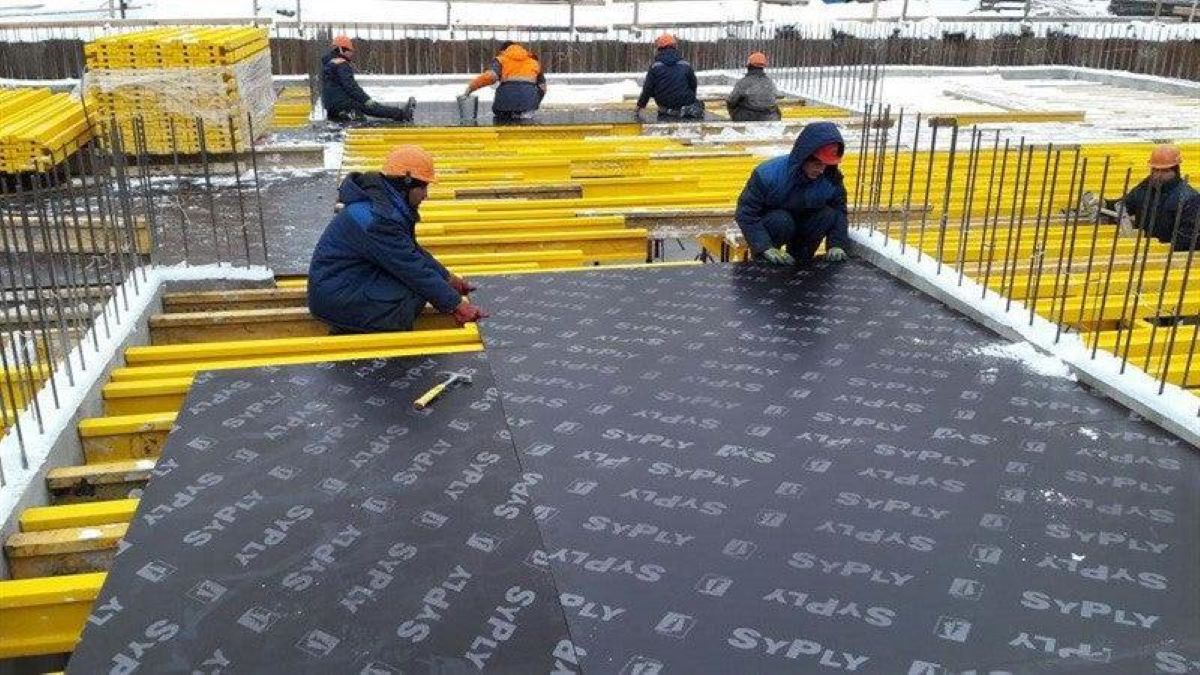
What to Specify When Ordering Formwork Plywood
Ordering formwork plywood sounds simple until it is not. One wrong assumption and they end up with sheets that swell, delaminate, or fail early, right when the pour schedule is tight and labour is expensive.
This guide is written for Australian projects. It breaks down what to specify so suppliers can quote accurately, and site teams get the panel performance they actually need.
What is the project actually pouring, and why does it change the plywood spec?
The concrete finish, pressure, and cycle speed decide what formwork plywood should be used. A high-rise core, a small slab edge, and a bridge pier do not punish panels in the same way.
They should start by stating the formwork system and the concrete element. Walls and columns usually demand higher face quality and better edge sealing. Suspended slabs often need stiffness and consistent thickness across many sheets.
What sheet size and thickness should they specify upfront?
They should nominate sheet dimensions and thickness in the first line of the enquiry. It affects structural performance, handling, crane lifts, and waste.
In Australia, common sizes include 2400 x 1200 mm, but some suppliers offer other formats. Thickness is often selected to match bearer spacing and design loads. If they are unsure, they should ask the formwork designer to confirm the required thickness for the spans.
What load rating or structural standard should they ask for?
They should ask what the panel is made and tested to, not just what it is called. For structural confidence, the supplier should state the relevant compliance and grading.
In Australia, they may reference AS or EN style grading depending on the product line, but the key is traceable documentation. If a cert or test report cannot be provided, they should treat it as a risk, especially for repeat-use formwork plywood on commercial sites.
What face grade and concrete finish level do they need?
They should specify the finish expectation in plain terms: off-form architectural, paint-grade, or standard construction finish. Then match the face grade to it.
Higher face quality usually costs more, but it reduces patching and remedial work. If they need a clean fair-face outcome, they should insist on consistent veneer quality and a film face designed for concrete contact. That is where formwork plywood choices really show on the finished wall.
Should they request film faced, plastic coated, or raw faces?
They should request the face type that suits the number of pours and the release method. Film faced is common because it gives a smooth surface and protects the veneer.
Plastic coated or proprietary overlays can extend life, but only if edges are sealed and handling is good. Raw faces are typically false economy for concrete work. For most Australian commercial jobs, film faced formwork plywood is the starting point unless the design calls for something specialised.
How should they specify edge sealing and edge treatment?
They should specify factory edge sealing as mandatory, and ask what sealant is used. Edges are where water gets in first, and swelling starts there.
They should also specify whether they need tongue and groove, square edge, or machined edges. For wet weather pours in places like Sydney, Brisbane, or Melbourne winters, good edge protection can matter more than another step up in face grade for formwork plywood.
What glue bond and moisture resistance details should be included?
They should ask for the glue bond rating and what “exterior” actually means for the product. Not all exterior-labelled panels behave the same once repeatedly wetted, dried, and stressed.
They should request confirmation that the bond is suitable for concrete formwork exposure. If the supplier can state the adhesive type or performance class, even better. On Australian coastal projects, moisture cycling is brutal, and formwork plywood needs to cope with it.
How many reuses are they expecting, realistically?
They should state their target number of reuses, because it drives value. A panel that lasts 5 pours is priced differently to one expected to last 30.
They should be honest about site conditions and handling. If they know labourers will cut sheets often, drag them, or store them uncovered, they should not overpay for premium panels they cannot protect. The best formwork plywood is the one whose lifespan matches the job’s discipline.
What tolerances and thickness consistency should they ask the supplier to confirm?
They should ask for thickness tolerance and flatness expectations. Small variation across sheets can create lipping, grout loss, and finishing issues.
They should also ask if the supplier can provide batch consistency. For big projects in Perth or major infrastructure works in regional NSW, mixed batches from different mills can behave differently. Good formwork plywood supply is as much about consistency as it is about peak performance.
See Also : Where Formply Is Used, and Where It Is Not
Should they specify compatibility with release agents and coatings?
They should confirm which release agents will be used and ask if the panel face is compatible. Some overlays dislike certain oils or require water-based agents.
They should also specify whether they plan to paint edges on site or apply additional sealers. If they are using aggressive chemical release products, they should validate the overlay durability first. This avoids blaming formwork plywood for a chemical mismatch.
What delivery, packaging, and storage requirements should be written into the order?
They should specify how the packs arrive and how they are protected. Water damage often occurs before the sheets even reach the deck.
They should ask for packs to be strapped, wrapped, and clearly labelled with batch details. They should also state if the site needs tailgate unload, craneable packs, or timed deliveries. In Australian summer storms, uncovered packs are a quick way to ruin formwork plywood before first use.
What documentation should they ask for to protect themselves?
They should ask for product datasheets, compliance statements, and any test reports before purchase. It is easier to resolve disputes when the spec is written and traceable.
They should also request guidance on handling, sealing cut edges, and recommended fasteners. If they are working under a principal contractor QA system, those documents matter. With formwork plywood, paperwork is not just admin, it is risk control.
How should they write the spec line so a supplier can quote without guessing?
They should write a short, complete specification that includes size, thickness, face, edge sealing, and performance expectation. If it is vague, the supplier will fill the gaps with the cheapest assumption.
A practical example for an Australian order could read like this: “Supply film faced formwork plywood, 2400 x 1200, 17 mm, factory edge sealed all sides, suitable for minimum 15 reuses on wall forms, consistent thickness tolerance, provide datasheet and compliance documentation, deliver wrapped craneable packs to site in Parramatta NSW.”
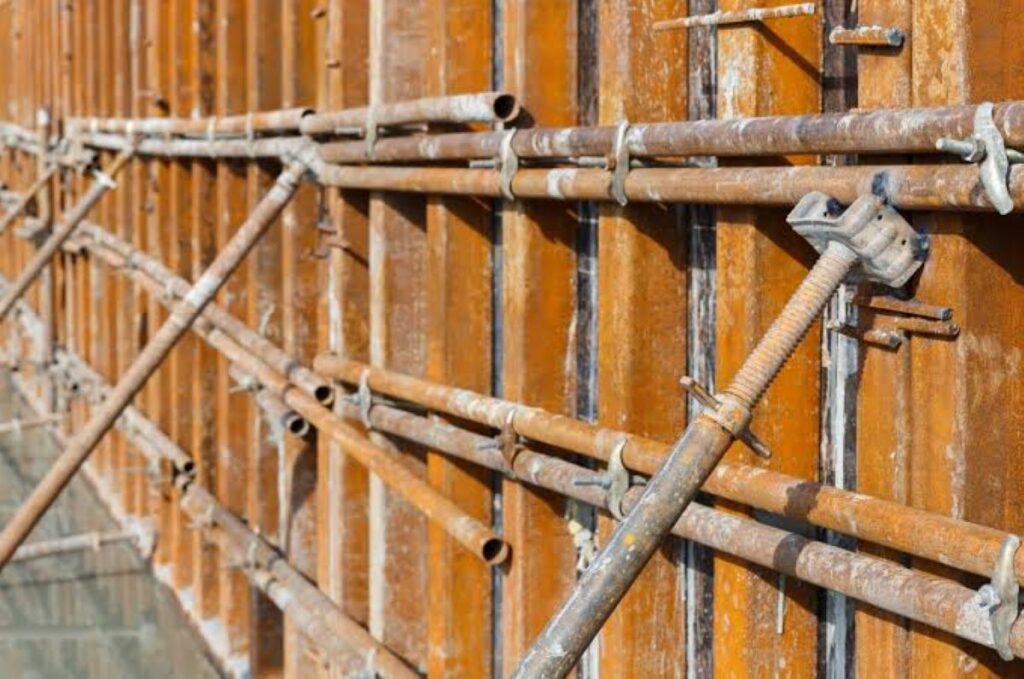
What are the common mistakes people in Australia make when ordering?
They often specify only “formply” and a thickness, then get surprised by early failure. They also forget to specify edge sealing, expected reuses, or finish requirements.
Another common issue is assuming all formwork plywood is the same across suppliers. It is not. Mill source, overlay quality, glue bond, and storage history all change how panels behave. Clear specs and clear expectations prevent most of the arguments later.
What should they confirm before they sign off on the first delivery?
They should inspect the first packs immediately and compare them to the order. Look for edge sealing coverage, face damage, swelling, consistent markings, and sheet flatness.
They should record batch numbers and take photos if anything looks off. If they are rolling out the product across multiple sites in Australia, this first inspection sets the tone with the supplier. Catching issues early protects the whole formwork plywood package, not just one pour.
FAQs (Frequently Asked Questions)
What factors determine the appropriate formwork plywood specification for an Australian construction project?
The type of concrete element being poured (such as high-rise cores, slab edges, or bridge piers), the required concrete finish, pressure during pouring, and cycle speed all influence the formwork plywood specification. Different elements demand varying face quality, edge sealing, stiffness, and thickness to ensure panel performance aligns with project needs.
How should I specify sheet size and thickness when ordering formwork plywood in Australia?
You should nominate the sheet dimensions and thickness upfront in your enquiry. Common sheet sizes include 2400 x 1200 mm, but other formats may be available. Thickness selection should correspond with bearer spacing and design loads; consulting a formwork designer is advisable to confirm the right thickness for your spans.
What load rating or structural standards are important when selecting formwork plywood?
It’s essential to ask for the specific grading and compliance documentation that the panel is made and tested to, rather than relying solely on product names. In Australia, references may be to AS or EN standards. Traceable certification or test reports provide confidence in structural performance, especially for repeat-use panels on commercial sites.
Should I request film faced, plastic coated, or raw face plywood for concrete formwork?
Film faced plywood is typically recommended for Australian commercial jobs because it offers a smooth surface and protects the veneer. Plastic coated or proprietary overlays can extend panel life if edges are properly sealed and handling is careful. Raw faces are generally considered false economy for concrete work due to their susceptibility to damage.
How important is edge sealing and what specifications should be included?
Factory edge sealing should be specified as mandatory since edges are vulnerable points for water ingress leading to swelling. You should also specify edge types such as tongue and groove, square edge, or machined edges. Good edge protection is particularly crucial in wet weather conditions common in cities like Sydney, Brisbane, or Melbourne.
What documentation should I request from suppliers to ensure quality and protect my project?
Request comprehensive product datasheets, compliance statements, and test reports before purchase. Having clear written specifications helps resolve disputes effectively. Also seek guidance on handling instructions and sealing of cut edges to maintain panel integrity throughout use.